In short
|
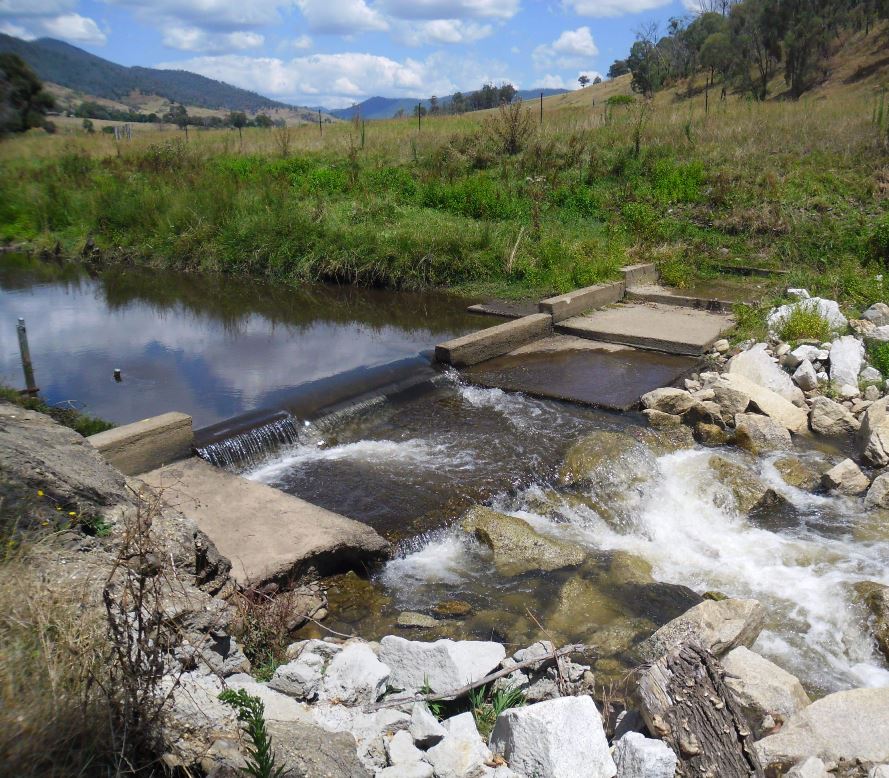
Stream gauging stations can block fish movement
Instream connectivity is critical for the survival of most freshwater fish species, particularly those that migrate between freshwater and the sea.
Across Victoria, many waterways have been fragmented by man-made instream barriers, restricting access to important habitats and food resources and contributing to declines in fish populations. Common barriers include dams, weirs, floodplain levee banks, regulating structures and road culverts on both public and private land.
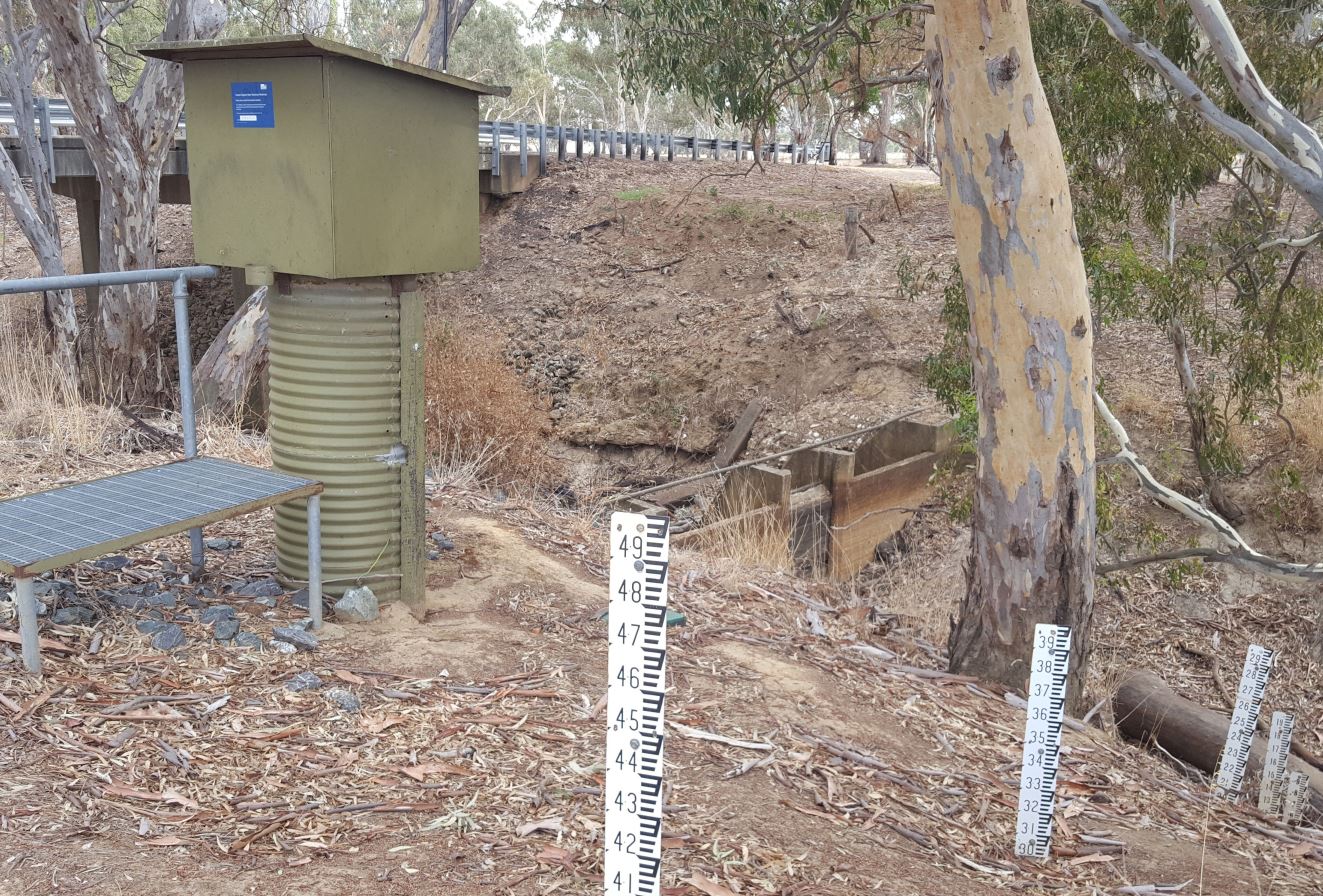
Stream gauging stations play an important role in waterway management by measuring river height, flow and water quality. The data they collect supports flood warnings, irrigation management and environmental monitoring, including dissolved oxygen, electrical conductivity and water temperature.
These structures typically consist of a concrete weir, known as a stream gauge control, across the waterway and monitoring equipment on the adjacent bank. While they provide valuable data, they can also act as barriers to fish movement, limiting connectivity along waterways.
What we are doing
ARI contributed to the Fish Friendly Stream Gauging Station Program, which assessed stream gauging stations across Victoria to determine the extent to which they may act as barriers to fish movement.
To support this assessment, the program gathered and analysed information on approximately 820 stream gauges managed by the Victorian Government. This included the location of each gauge, the presence of other instream barriers, stream hydrology, and the occurrence and migratory status of fish species.
By linking infrastructure condition with ecological information, the program helped identify opportunities to improve fish passage where gauging stations require repair, upgrade or replacement, while maintaining their critical monitoring functions. Potential solutions include fishway construction, replacement, removal or relocation of stream gauge controls, and adoption of modern gauging technology. These findings also complement the Victorian Government’s broader review of the state’s gauging requirements.
Research Impact
This program represented a significant opportunity to improve connectivity for Victoria’s native fish. It also helps to modernise stream gauging infrastructure, without reducing the accuracy of the water monitoring data. It was delivered as a collaboration between ARI, DEECA and stakeholders of Victoria’s stream gauging network (catchment management authorities, water authorities and the Bureau of Meteorology).
More information
Fish Friendly Stream Gauging Station Program fact sheet (PDF, 566.1 KB)
(accessible version (DOCX, 6.2 MB))Data generated via gauging stations are accessible via DEECA’s Water Measurement Information System.
For more information contact: matthew.jones@deeca.vic.gov.au (project lead, ARI).
Page last updated: 30/09/26