In short
|
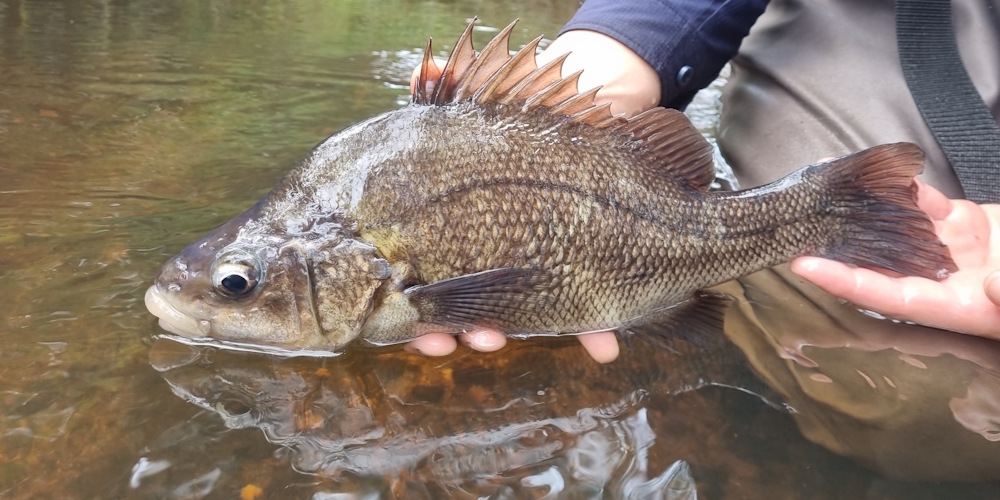 Macquarie Perch (Macquaria australasica)
Macquarie Perch in Victoria
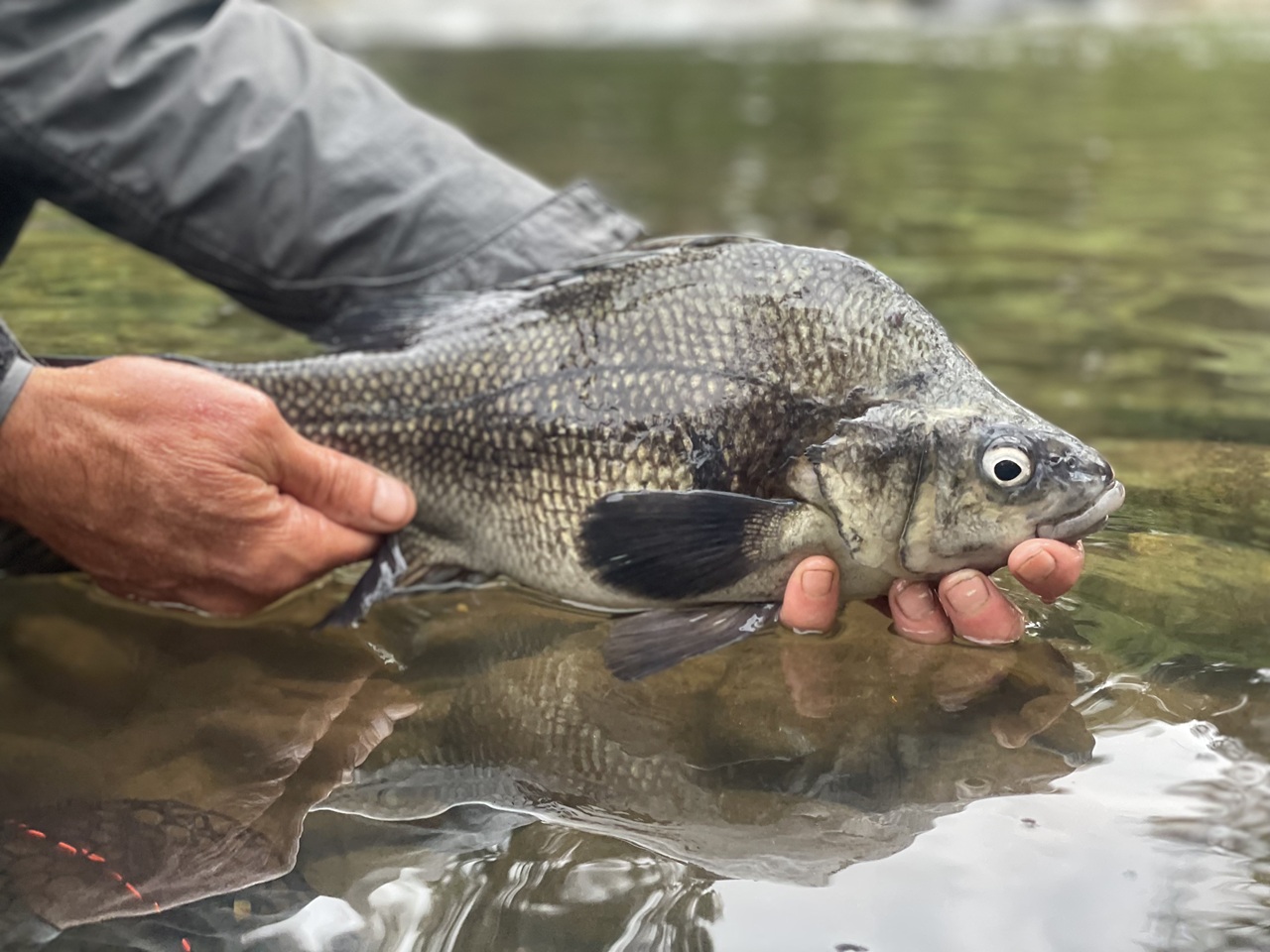
Macquarie Perch, found in the cooler middle-upper reaches of the Murray-Darling Basin, has undergone a long-term decline. Now absent from much of its former range, it is listed as Endangered under the Commonwealth Environment Protection and Biodiversity Conservation Act 1999.
In Victoria, there are fragmented populations in the Mitta Mitta, Ovens, Goulburn and Broken river catchments, and a translocated population in the Yarra River.
What we are doing
ARI has been involved in research and monitoring projects related to Macquarie Perch for many years. Our research has helped to improve our understanding of the species’ status, its habitat requirements, and response to environmental conditions.
This work has directly helped to inform and improve management actions related to habitat rehabilitation, conservation translocations and bushfire rescues and contribute to the species’ recovery.
Research and Monitoring examples
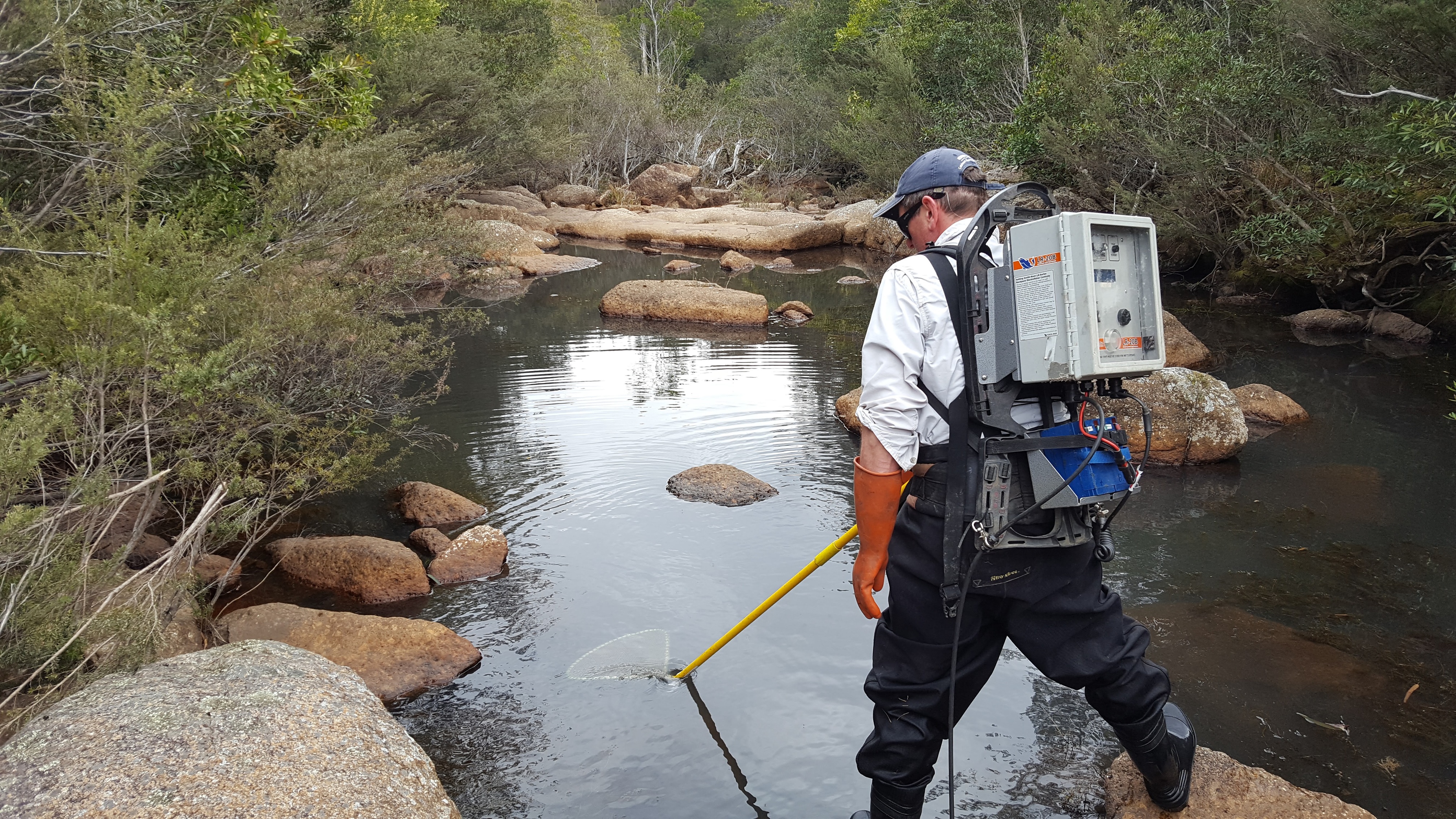
Since 2006, ARI scientists have been regularly monitoring key Macquarie Perch populations across Victoria. These include the Yarra River, tributaries of the Goulburn Broken catchment (such as Hollands Creek), the Buffalo River and Lake Dartmouth.
The data collected helps track the health of these populations and guides important management actions, such as delivering environmental water, restoring instream and riparian habitats and setting fishing regulations.
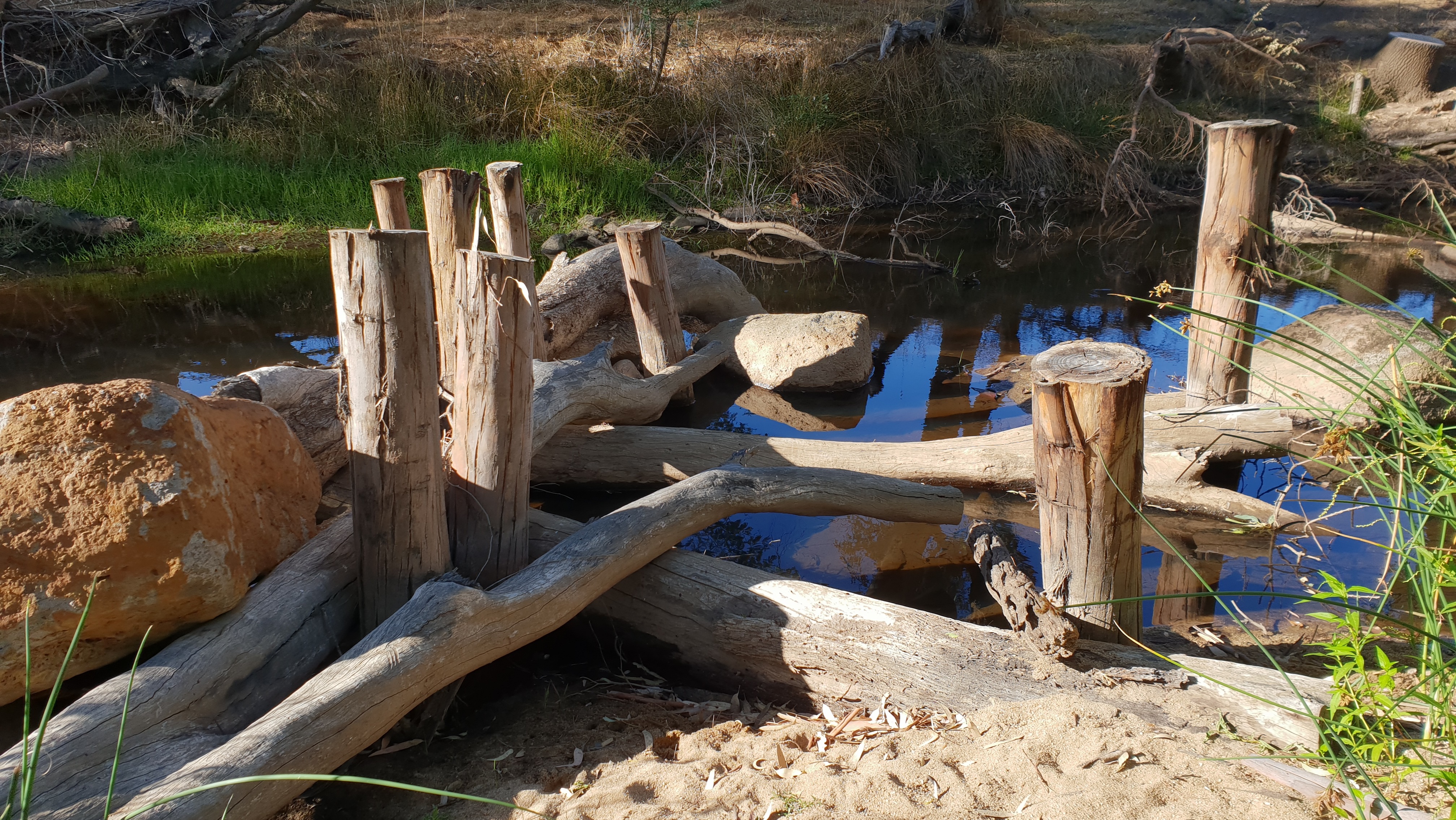
Survey results from the Hughes Creek are especially encouraging. After habitat improvement works, a high proportion of Macquarie Perch are now using the restored areas.
This long‑term monitoring has also strengthened partnerships with local communities, who play an important role in supporting the recovery of this endangered species.
You can find more about Macquarie Perch research through the Goulburn Broken Catchment Management Authority and through the Demonstration Reach Program.
Publications:
- Tonkin et al. (2019) Climate variability regulates population dynamics of a threatened freshwater fish. Endangered Species Research.
- Hunt et al. (2011) Evaluation of population decline and fishing sustainability of the endangered Australian freshwater fish Macquaria australasica. Fisheries Management and Ecology.
 |  |
Through several projects, ARI has helped improve our understanding of Macquarie Perch spawning and recruitment ecology.
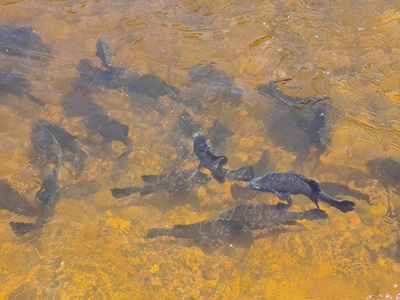
In the Mitta Mitta River inflow of Lake Dartmouth, we identified Macquarie Perch aggregations at specific locations just upstream of shallow, fast-flowing areas with a gravel or pebble substrate. This observation highlighted the specific habitats they rely on during spawning.
Egg surveys for the King Parrot Creek and Yarra River populations also suggested localised patterns of spawning. Egg densities varied widely between sites and were strongly linked to warmer water, with the highest numbers recorded above 18 °C.
After a decade of low flows into Lake Dartmouth, we found that the growth, recruitment, and abundance of Macquarie Perch was enhanced as it refilled between 2008 and 2013. This suggests extended periods of low lake levels, followed by rapid inundation events, are likely to enhance recruitment and population growth opportunities.
By assessing the recruitment of five populations of Macquarie Perch, we found a broad correlation between regional-scale flow variation and localised recruitment events. In years with higher river discharge during the core egg and larval period (November-December), we found poorer recruitment.
Remaining populations of Macquarie Perch are mostly found in isolated, small tributary streams with highly variable flows. This increases the risk of poor recruitment periods, particularly under climate change predictions.
Publications:
- Tonkin et al. (2017) Regional-scale extremes in river discharge and localised spawning stock abundance influence recruitment dynamics of a threatened freshwater fish. Ecohydrology.
- Tonkin et al. (2014) Reservoir refilling enhances growth and recruitment of an endangered remnant riverine fish. Canadian Journal of Fisheries and Aquatic Sciences.
- Tonkin et al. (2015) Spatio-temporal spawning patterns of two riverine populations of the threatened Macquarie perch (Macquaria australasica). Marine and Freshwater Research.
- Tonkin et al. (2010) Spawning behaviour of the endangered Macquarie Perch Macquaria australasica in an upland Australian River. Ecological Management and Restoration.
 | 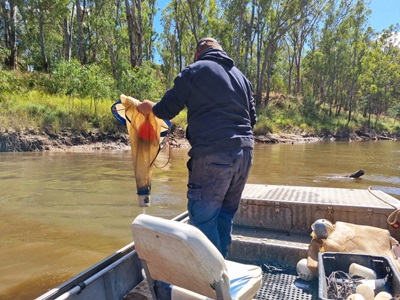 |
ARI uses population modelling to guide Macquarie Perch recovery by predicting the likely outcomes of different management actions and environmental conditions. Our models have helped evaluate population viability, identify key threats, and assess the potential benefits of actions such as stocking, translocations, habitat restoration and improved river management.
Most recently, we developed a population model that incorporated environmental variability, river flows, water temperature and climate change to compare the effectiveness of recovery actions across existing and potential future populations.
The modelling predicted that all management interventions would improve outcomes, including increased abundance and reduced extinction risk. However, the greatest long-term benefits were associated with establishing populations in larger, more hydrologically stable and water-secure rivers, rather than focusing solely on small, drought-prone systems.
This work also highlighted the importance of assisted gene flow and compliance with fishing regulations to maintain population resilience, genetic diversity and species persistence under future climate scenarios.
Publications:
- Yen,et al. (2022). Establishing new populations in water-secure locations may benefit species persistence more than interventions in water-stressed locations. Biological Conservation
- Todd and Lintermans (2015) Who do you move? A stochastic population model to guide translocation strategies for an endangered freshwater fish in south-eastern Australia. Ecological Modelling
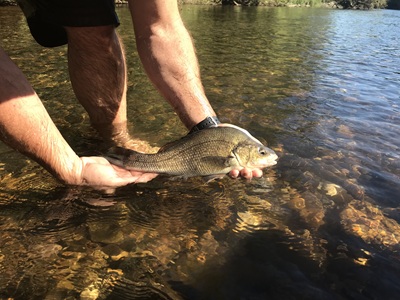 | 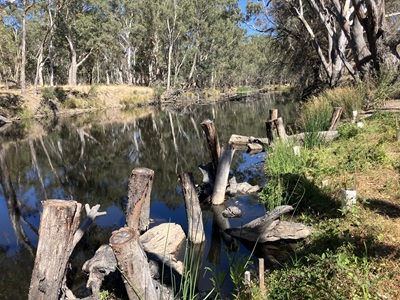 |
Most remaining Macquarie Perch populations are small and isolated, with low levels of genetic diversity. This can reduce their ability to adapt to a changing climate, including extreme droughts and bushfires. In collaboration with the Wildlife Genetic Management Hub, our research is helping guide the long-term genetic management of the species.
Genetic studies have shown that carefully managed movement of small numbers of fish between populations, together with improving habitat connectivity, can increase gene flow and maintain genetic diversity.
ARI’s ongoing monitoring in the Ovens River is helping us to understand how these actions influence population growth, breeding success and long-term resilience. These insights are ensuring recovery efforts support healthy and genetically diverse populations into the future.
Publications:
- Pavlova, et al. (2025). A shift to metapopulation genetic management for persistence of a species threatened by fragmentation: The case of an endangered Australian freshwater fish. Molecular Ecology.
- Pavlova et al. (2017) Severe consequences of habitat fragmentation on genetic diversity of an endangered Australian freshwater fish: a call for assisted gene flow. Evolutionary Applications.
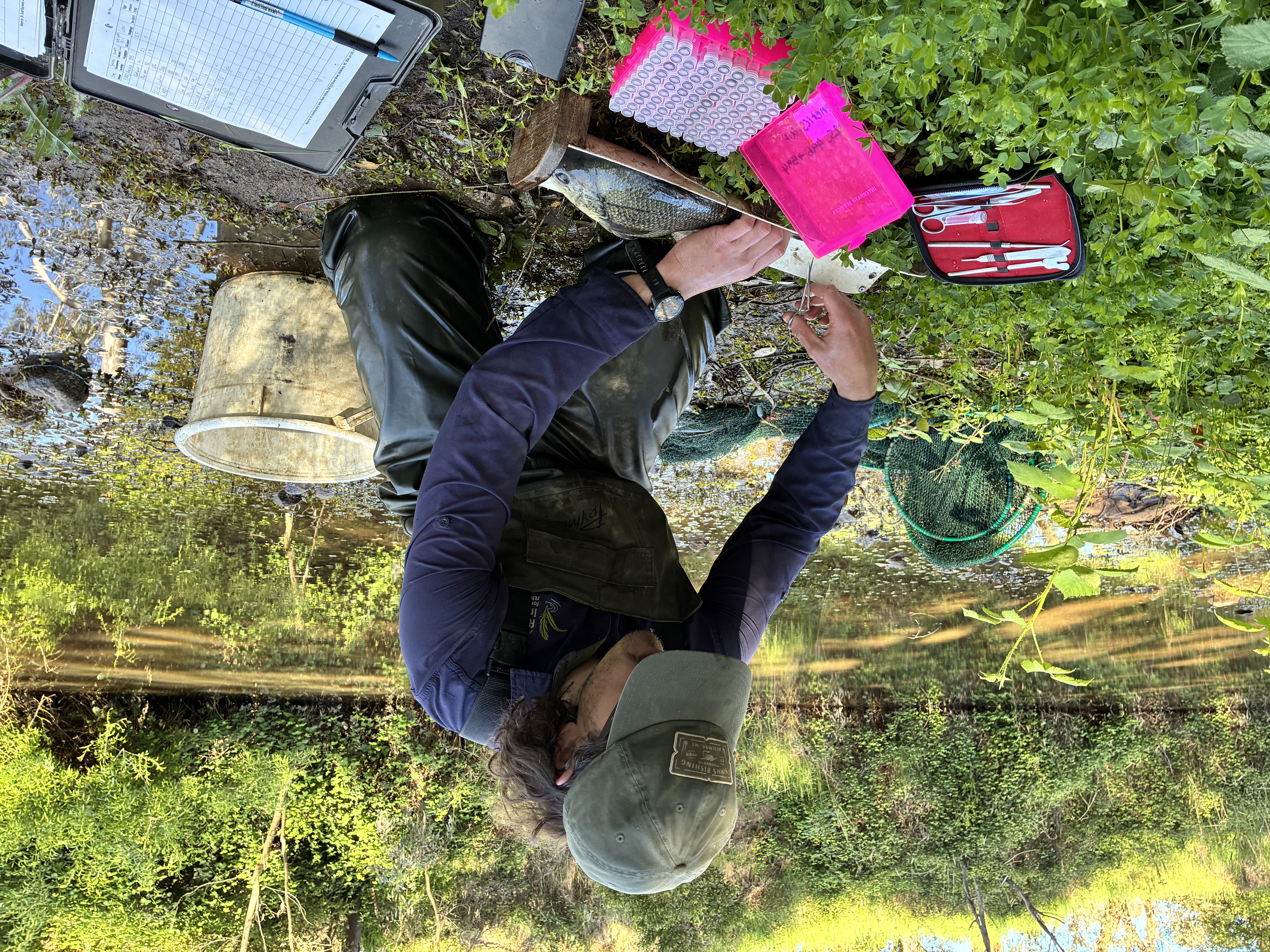 | 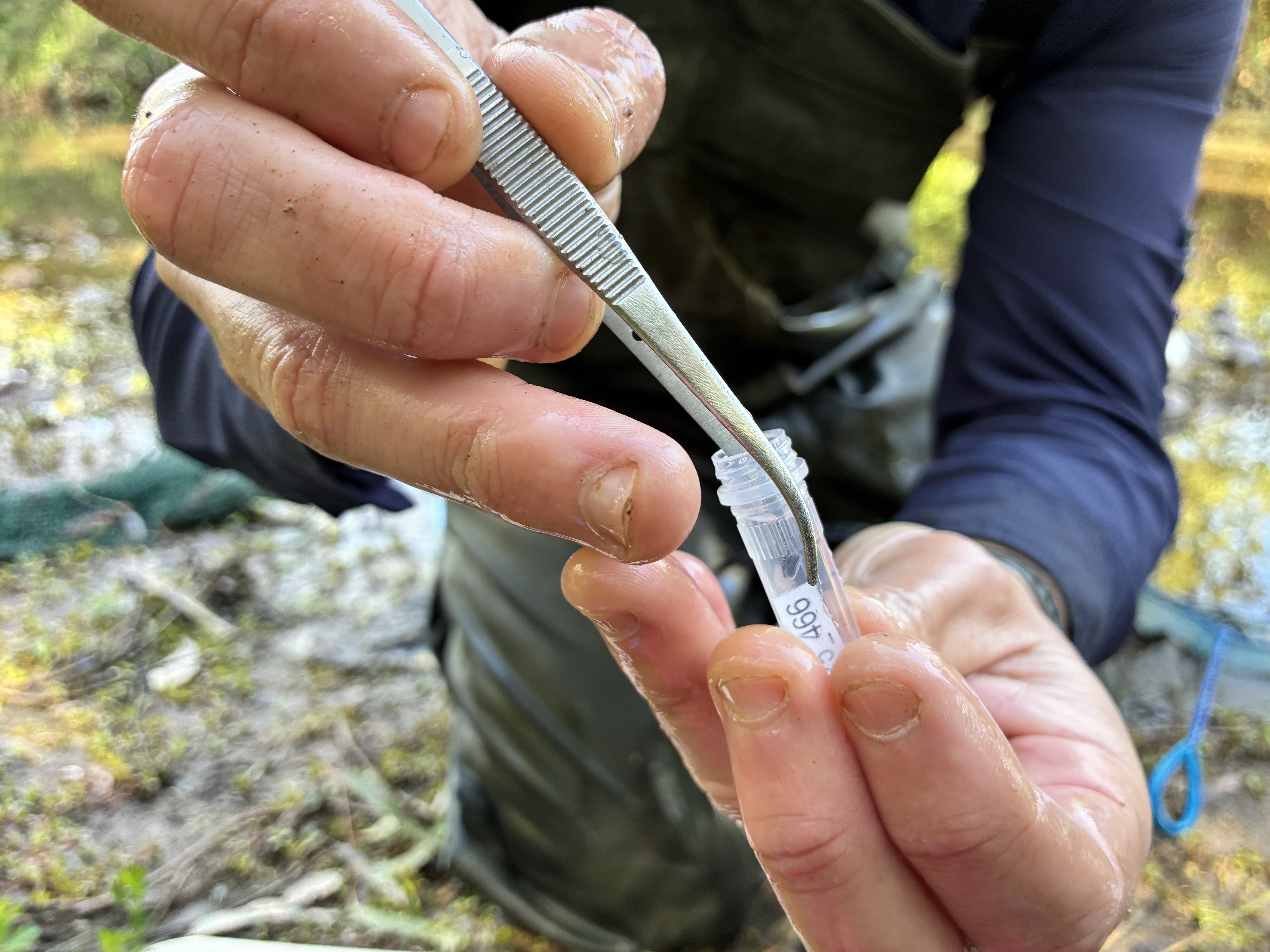 |
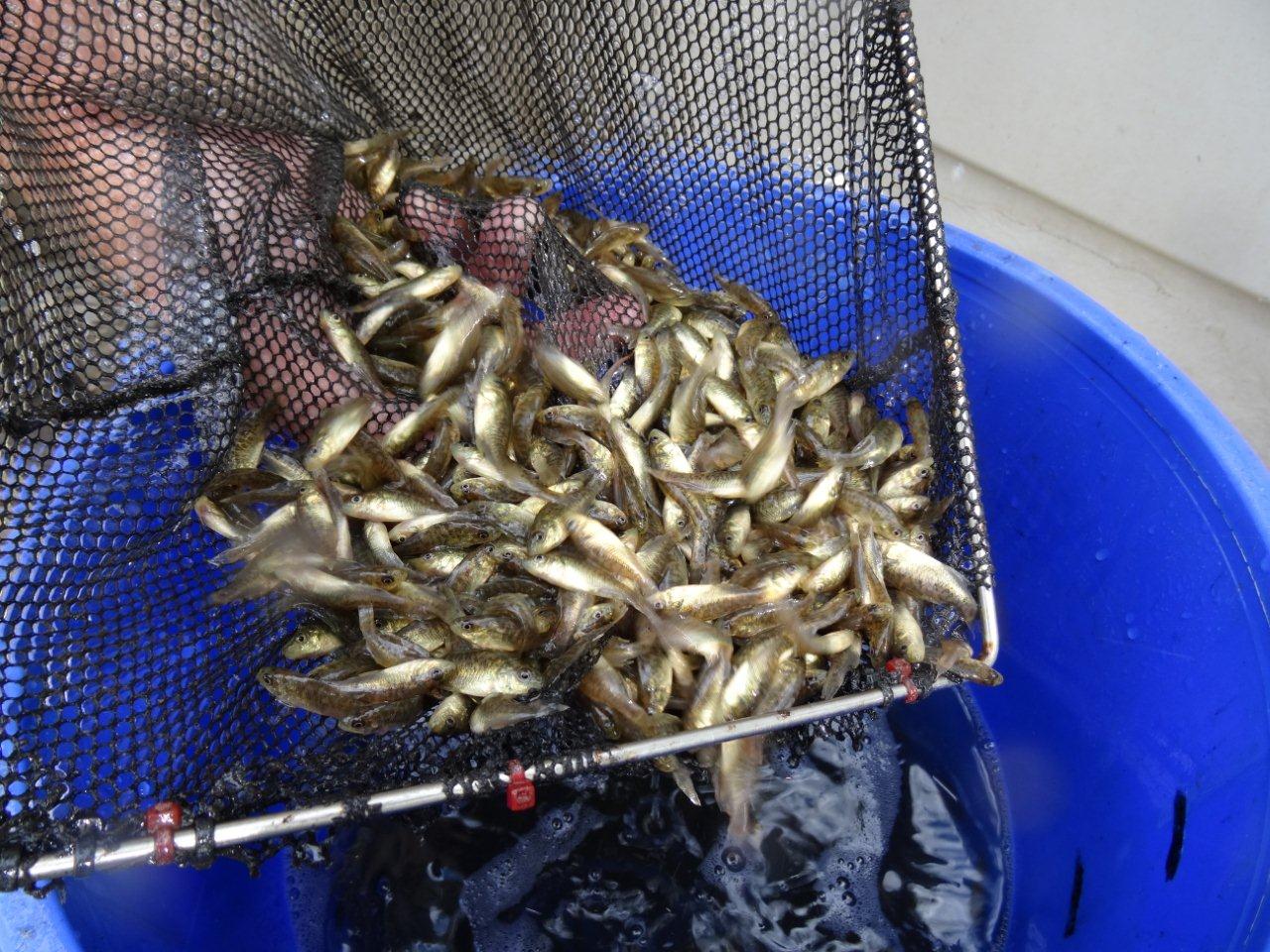
Macquarie Perch disappeared from the Ovens River, but since 2010 the population has been rebuilt by stocking captive-bred fish and translocating fish from two source populations: Lake Dartmouth and the Yarra River. Long-term monitoring shows that this program has been highly successful. Today, most fish found in the river are not stocked fish but have been born naturally in the Ovens River.
Genetic research has confirmed that fish from both source populations survived, reproduced and contributed to the recovering population. While Lake Dartmouth provided most of the fish used in the program, fish with Yarra River ancestry and their mixed-ancestry descendants are now more common among younger generations.
This indicates that they are particularly well suited to conditions in the Ovens River, which is a Demonstration Reach for river restoration. The population is now largely self-sustaining, and future management should focus on maintaining genetic diversity through ongoing monitoring and carefully managed translocations to support long-term resilience and adaptation.
Publications:
- Lutz et al. (2021). Using multiple sources during reintroduction of a locally extinct population benefits survival and reproduction of an endangered freshwater fish. Evolutionary Applications.
- Fact Sheet (2018) Re-establishing Macquarie Perch in the Ovens River (PDF, 345.9 KB) (DOCX, 2.4 MB))
 |  |
Publications
- ARI Report (2022). Macquarie Perch – review of existing information, Snowy 2.0. (PDF, 1.0MB) (DOCX 2.1 MB)
For more information about our Macquarie Perch research, contact Dr Zeb Tonkin (zeb.tonkin@deeca.vic.gov.au).
Page last updated: 07/10/26