In short
|
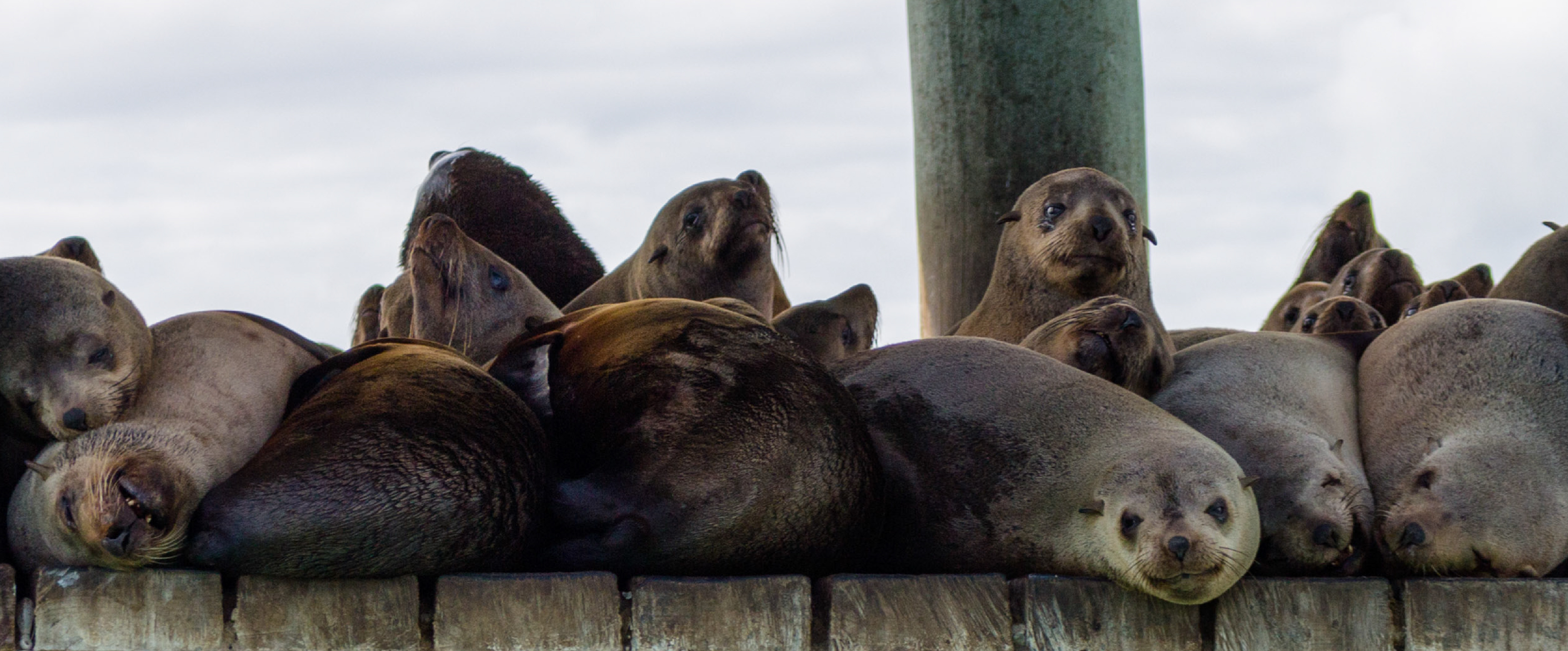
Seals, photo by Andrew Geschke (ARI)
Why disease risk matters in Victoria
Wildlife diseases can have devastating impacts on species and ecosystem health, with potential economic impacts on the tourism and agriculture sectors. Greater global connectivity, climate change, and habitat disturbance all contribute to a rising risk of disease emergence and spread.
What we are doing
ARI and the University of Melbourne partnered to complete a comprehensive evaluation of the susceptibility of Victoria’s native and introduced wildlife to risks from endemic and exotic diseases. Our researchers used modelling and expert opinion to identify potential impacts, predict the likelihood of diseases causing an emergency, and assess the effectiveness of possible management responses. This synthesis helps inform future disease management responses and decision-makers to prepare for future outbreak events.
Key findings:
Diseases of conservation concern
Disease | Type | Status | Species/group | Risk |
Chytridiomycosis | Fungal | Endemic | Cold-adapted frogs | Extreme |
White-nose syndrome | Fungal | Exotic | Southern Bent-wing bat | Extreme |
Beak-and-Feather disease | Viral | Endemic | Orange-bellied Parrot | Extreme |
Avian Influenza (H5N1) | Viral | Exotic | Waterbirds/ Shorebirds | Extreme |
Pacheco’s disease | Viral | Exotic | Parrots | Extreme |
Avian Influenza (H5N1) | Viral | Exotic | Seals/Penguins | High |
Lizard Fungal Disease | Fungal | Exotic | Dragons/Skinks | High |
Diseases of economic concern
Disease | Type | Status | Species/group | Risk |
Foot-and-Mouth disease | Viral | Exotic | Wild Deer/Feral Pigs | Extreme |
Avian Influenza (H5N1) | Viral | Exotic | Waterbirds/ Shorebirds | Extreme |
Avian Bronchitis (Coronavirus spp.) | Viral | Exotic | Ducks/Shorebirds | High |
Swine Fever (CSF/ASF) | Viral | Exotic | Feral Pigs | High |
Malignant Catarrhal fever | Viral | Exotic | Wild Deer | High |
Modelling disease impacts and mitigation options
Using four wildlife disease case studies, we modelled the potential impact of a disease outbreak and examined the effectiveness of mitigation option to help decision-makers prepare.
Phillip Island is home to a colony of about 40,000 Little Penguins and is home to the Penguin Parade on Summerland Beach, a popular tourist attraction. An outbreak of Avian Influenza (H5N1) could lead to the deaths of a large number of penguins causing a biosecurity risk as well as an economic risk to ecotourism in Victoria .
We tested outbreak scenarios to assess the effectiveness of pre-emptive vaccination and reactive vaccination on reducing penguin deaths in the vicinity of the Penguin Parade. By comparing vaccination rates and the modelled number of expected deaths caused by the disease, we could assess the relative effectiveness of each mitigation option.
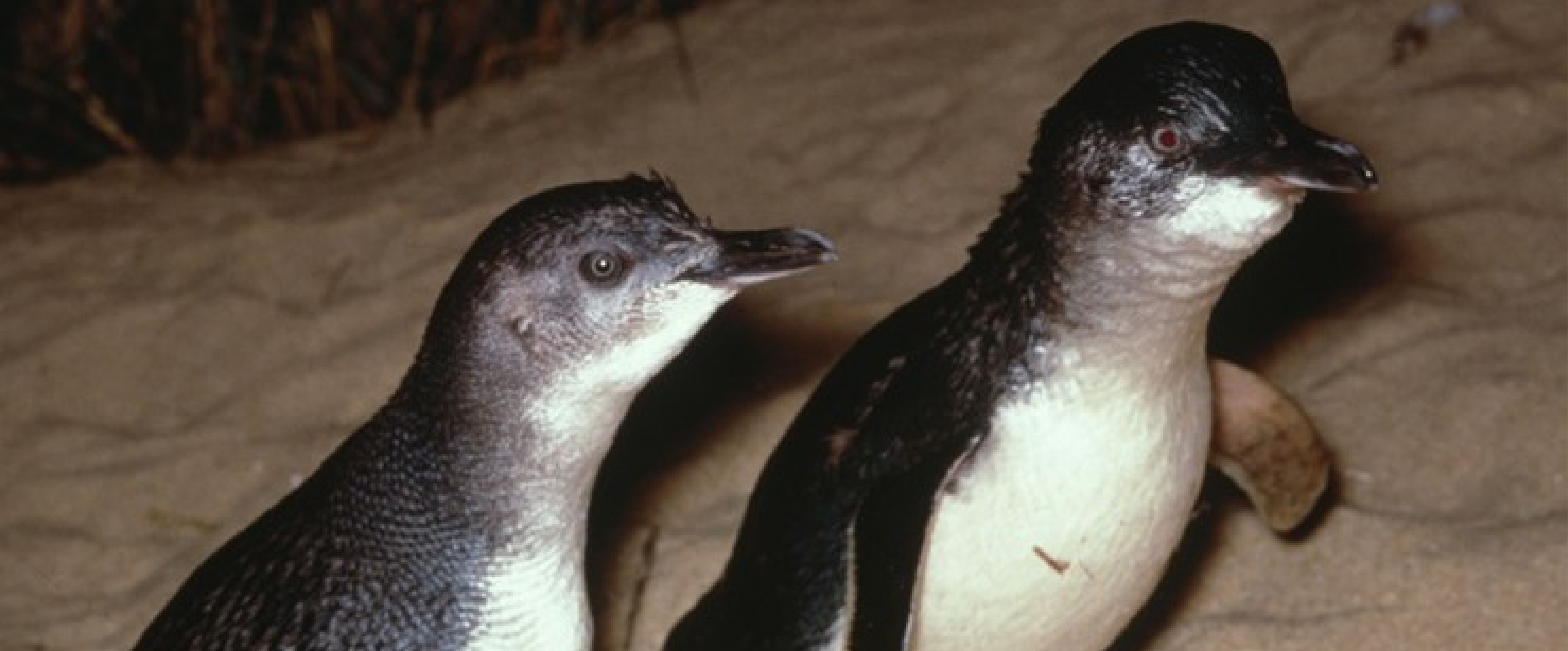
Little Penguins, photo by I. McCann (DSE)
Key findings:
- In a worst-case scenario, a H5NI outbreak could result in mortality rates between 20% and high as 40% of the Phillip Island colony (ie 8,000 to 16,000 penguins).
- Pre-emptive vaccination was much more effective than reactive vaccination, but requires 80% of the population to be vaccinated to significantly reduce deaths. This would mean vaccinating around 800-1000 individuals in the Penguin Parade sub-colony.
Recommendations:
- Annual structured surveillance of wild birds (e.g. gulls, terns, ducks, geese, swans) for Highly Pathogenic Avian Influenza each spring for early detection.
- Vaccinate high-value captive populations where possible or increased biosecurity to protect them from incursion of Avian Influenza.
- Pre-emptive Avian Influenza vaccination in high-value wild populations where vaccination of 70-80% of the population can be achieved.
- For other wildlife populations susceptible to Avian Influenza, priority should be given to boosting biosecurity and containment measures.
Further information:
Southern Bent-winged bats are critically endangered, with only a handful of populations remaining. An outbreak of a deadly disease like white-nose syndrome, could lead to their extinction.
White-nose syndrome is caused by a fungal pathogen, Pseudogymnoascus destructans, that has devastated bat colonies in North America, causing population declines of up to 90% in some species. Research has found that bats are vulnerable to the disease in cold temperatures when they are hibernating or in torpor.
Our study looked at possible scenarios for white-nose syndrome impacts on our Southern bent-winged bat populations based on a range of potential torpor periods. The true torpor behaviour of Southern Bent-wing Bats are currently under investigation.
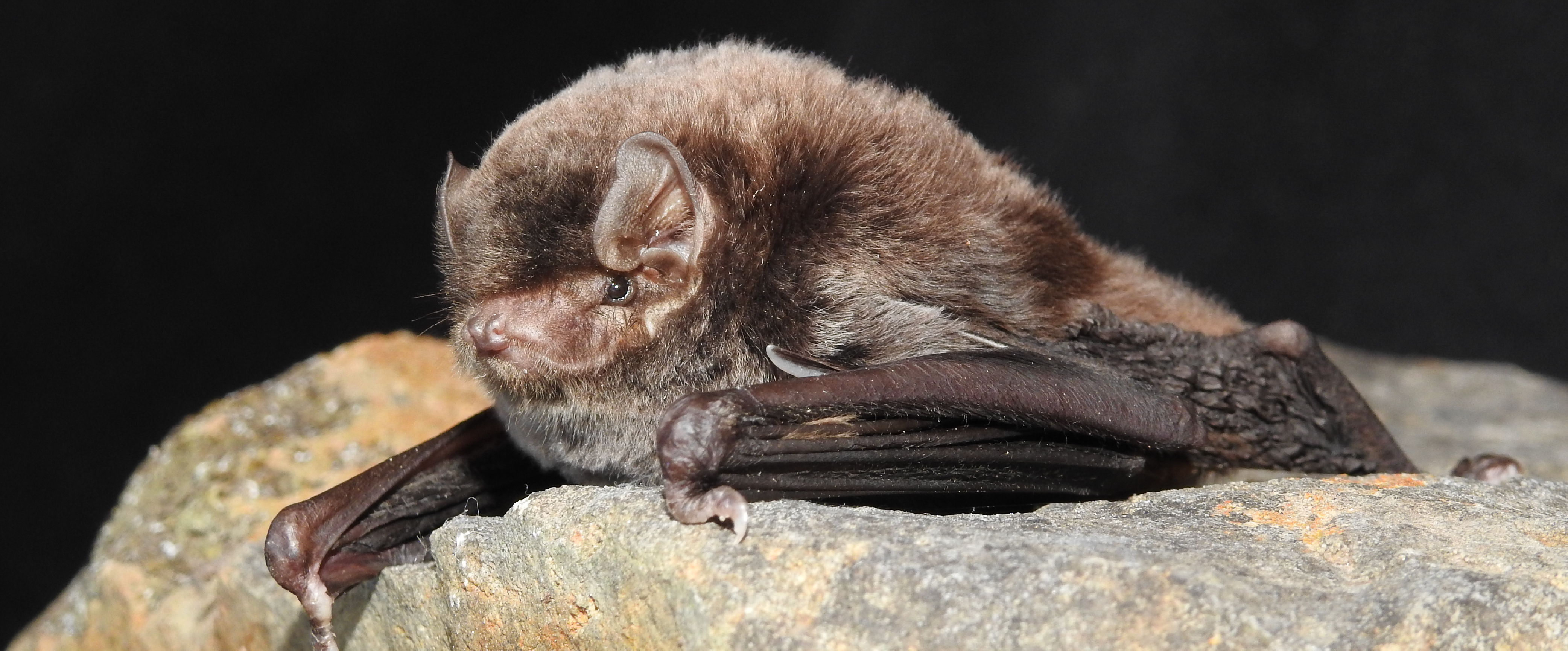
Southern Bent-winged Bat, photo by Lindy Lumsden (ARI)
Key findings:
- Based on how the disease impacted North American bat populations, populations are expected to experience greater impacts if the species has longer torpor periods.
- Only minor impacts on population abundance were observed for periods of torpor lasting up to 10 days, with predicted reductions of around 7% after 10 years.
- Longer periods of torpor lasting 30 or 60 days resulted in population decreases of 27% and 63% over 10 years, respectively.
Recommendations:
- Research torpor behaviour in Southern Bent-winged Bats to understand the potential impact of a White-nose syndrome outbreak.
- Disease surveillance in Southern Bent-winged Bat maternity caves.
Foot-and-mouth disease (FMD) is a significant economic concern for our agricultural industry. Feral Pigs are highly susceptible to the disease and have the potential to both actively spread the disease and act as a reservoir for reinfection of domestic livestock. Our researchers sought to model outbreak scenarios and mitigation options to help decision-makers understand the management implications of Foot-and-mouth disease in Feral Pigs.
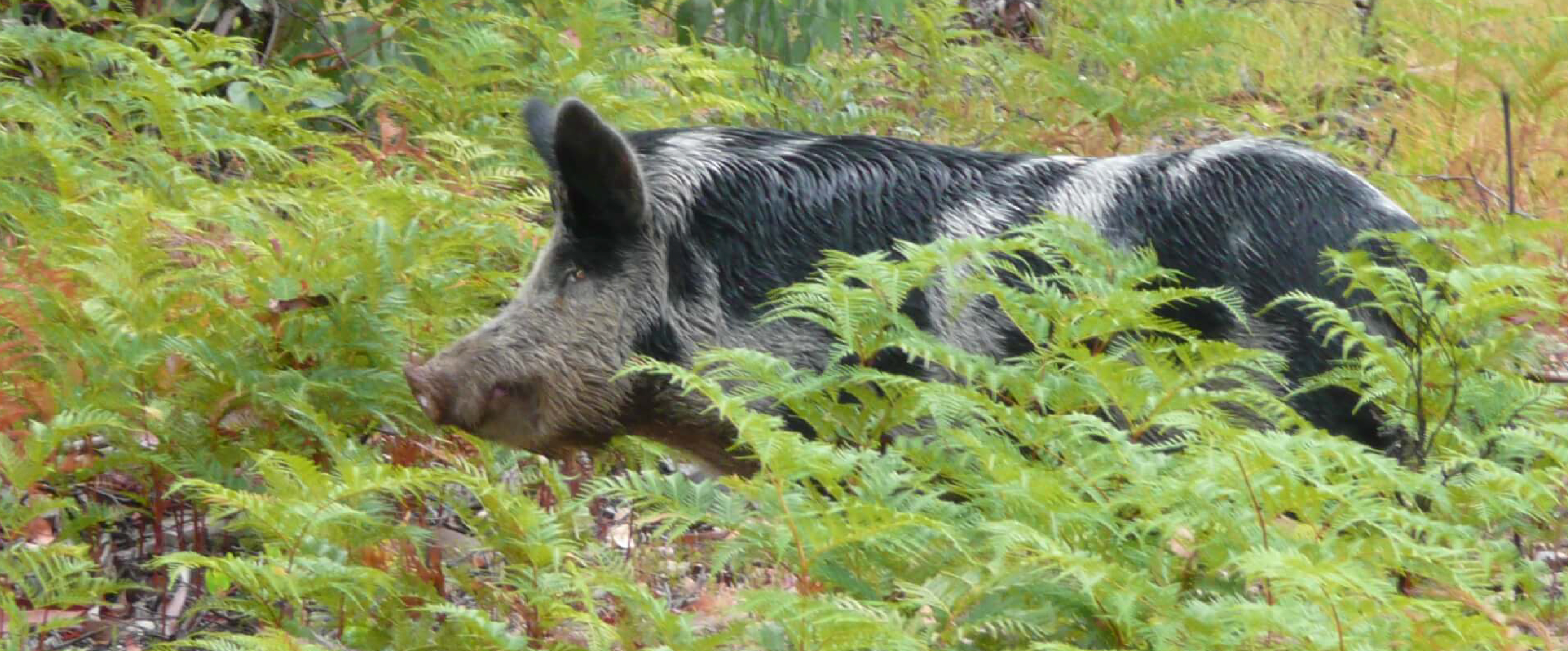
Feral Pig, photo by Agriculture Victoria
Key findings:
- FMD outbreaks in feral pigs peak quickly, then decline as more animals recover and gain immunity.
- Early, intensive culling of at least 60% of an infected feral pig population can eradicate the disease, while smaller repeated culls can also achieve eradication when a single large cull is not possible.
- If reinfection risk persists, ongoing culling and surveillance are needed, and without management, there is a moderate chance the disease will persist long‑term.
Recommendations:
- Development of a passive surveillance system where members of the public who regularly interact with wildlife (e.g. hunters) are trained to recognise and report signs of disease.
- Early intensive culling of Feral Pig populations in proximity to any Foot-and-mouth outbreaks in domestic livestock.
- Further investigation into population numbers, densities and spatial distribution of Feral Pigs to better understand the risks to domestic livestock.
Chytrid, Batrachochytrium dendrobatidis, is a fungal pathogen that has led to the global decline and extinction of frog species world-wide. Chytrid fungus thrives in cold, wet conditions and kills frogs by damaging their skin. Promising new studies have shown that providing sunlight-heated ‘frog saunas’ can allow frogs to warm themselves, clear the fungus and develop a degree of resistance. Our researchers sought to model the long-term effects of ‘frog saunas’ and resistance on Green and Golden Bell Frog populations.
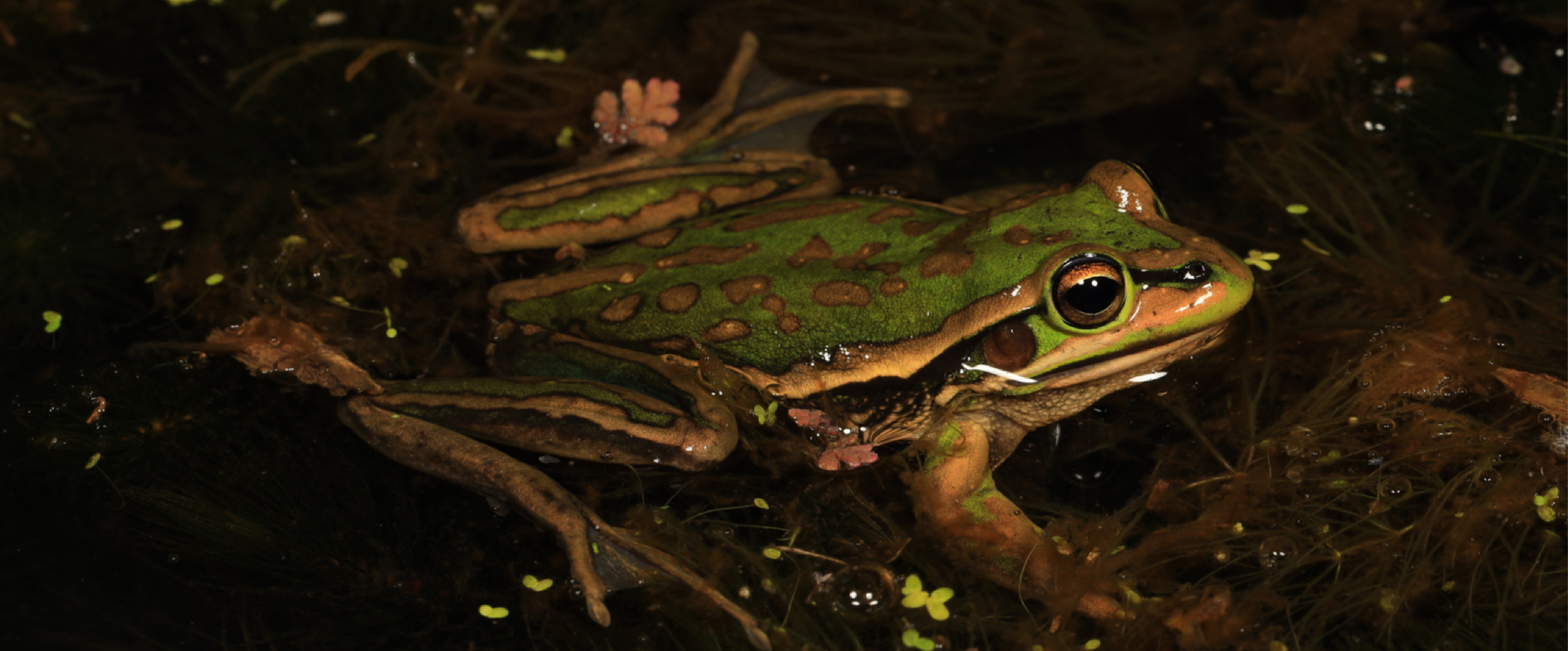
Green and Golden Bell Frog, photo by Geoff Heard
Key findings:
- Modelled population declines were less severe in warm environments (75% decline) and hot environments (20% decline) compared to cold environments which saw a 90% decline within a year and extinction by year 20.
- Introduction of ‘frog saunas’ in warm environments could allow these populations to clear the fungus and recover over time.
- In cold environments, successful mitigation of chytrid impacts required reintroduction of resistant frogs alongside ‘frog saunas’ accessed by 90% of the population that could raise body temperature by 8 degrees.
Recommendations:
- Consideration should be given to deploying artificial frog saunas for mitigation in locations at risk of high chytrid impacts.
- For other cold-adapted frog species at extreme risk of impacts from Chytrid, research is urgently needed on mitigation options.
Acknowledgements and partners
This work was completed in collaboration with the University of Melbourne’s One Health team and the support of wildlife and disease experts.
This research was funded by Agriculture Victoria.
Publications
- Technical Report Series No. 387 (2025) Wildlife disease risk Assessing the risks of endemic and exotic diseases to Victorian terrestrial wildlife (PDF, 5.0 MB) (DOCX, 10.7 MB)
- ARI Technical Report 399 - Feral Pig emergency animal disease transmission risk 2026 (2.6 MB) (DOCX, 9.3MB)
For more information contact research.ari@deeca.vic.gov.au
Page last updated: 10/04/26