In short
|
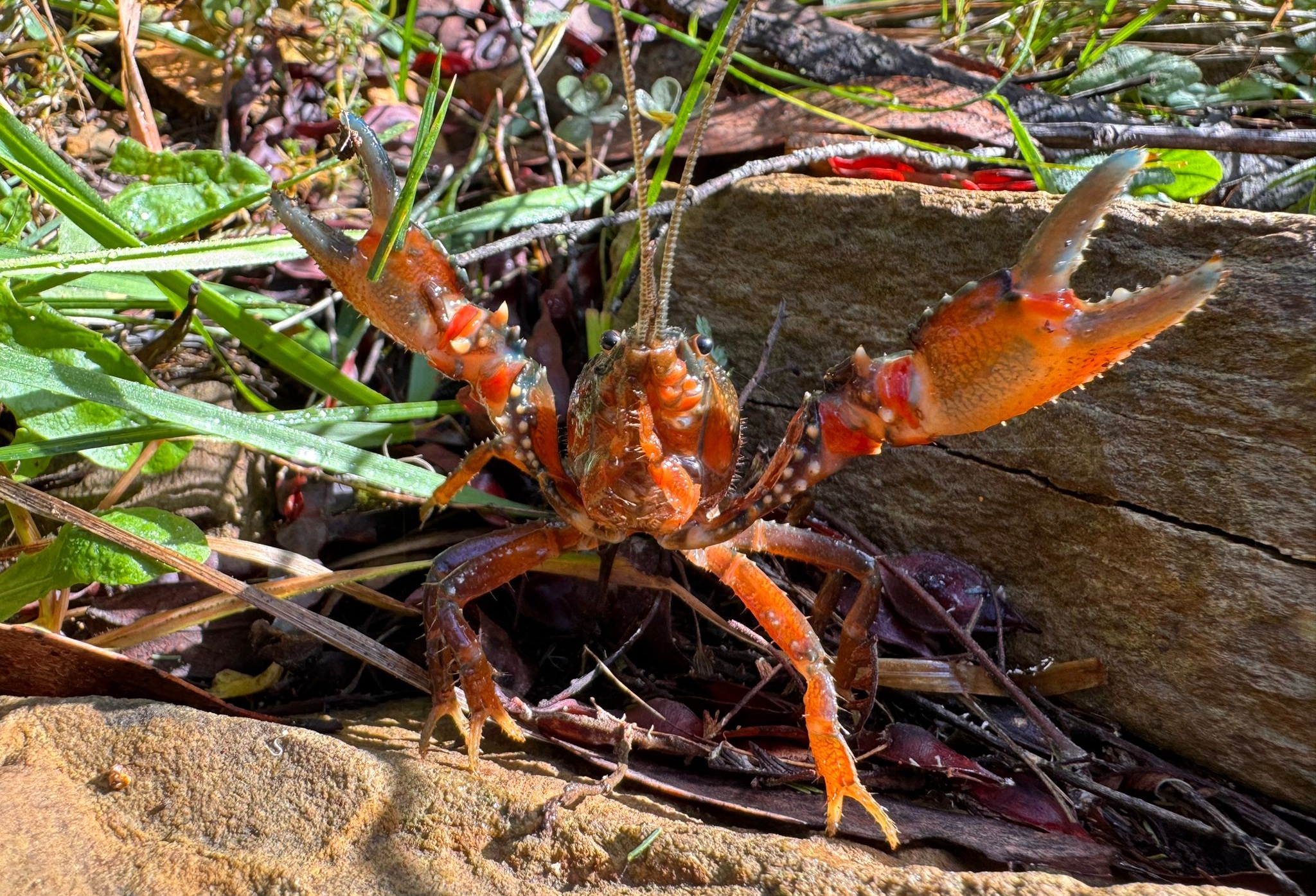
Freshwater crayfish in Australia
Victoria currently has 38 described species of native freshwater crayfish, all within the Parastacidae family. These include yabbies (Cherax species), spiny crayfish (Euastacus species), burrowing crayfish (Engaeus species), bush yabbies (Geocharax species) and one swamp crayfish species (Gramastacus species).
Around half of these species are listed as threatened in Victoria, often having restricted distributions, specialised habitat needs and characteristics which make them vulnerable (for example, slow growth, long-lives, late maturity). There is also a West Australian species, Smooth Marron (Cherax cainii), which was introduced to Victoria and is a declared noxious species.
What we are doing
For many years, ARI has been involved in research and monitoring to support freshwater crayfish conservation. This has included:
- identifying new species
- determining their distribution and abundance
- assessing the impacts of threats and their status
- undertaking actions to protect and restore populations
- providing advice in response to emergency events, including after bushfires and floods.
Effective management of freshwater crayfish populations requires understanding their diversity. Knowledge of their distribution and the diversity of species across Victorian habitats helps to clarify their conservation status and provides insights about threats and management needs.
In 2021, ARI scientists and Australian Aquatic Biological described a new species of freshwater crayfish, the Swamp Yabby (Cherax latimanus). This was the first time in 80 years that a new yabby species in the Murray-Darling Basin system had been recognised, making the Swamp Yabby only the third Cherax species known to naturally occur in the Basin. This species has often been mistaken for the Common Yabby (Cherax destructor) in the past.
Current research has identified at least four new species of spiny crayfish in the Gippsland region and two new species of bush yabbies in western Victoria. These are in the process of being formally described.
ARI has also developed expert identification skills for burrowing crayfish (Engaeus), the most challenging crayfish group to identify correctly due to the similarity between species and the numerous, small taxonomic characteristics. This expertise is frequently sought after by other researcher organisations.
Publications:
- McCormack and Raadik (2021). Cherax latimanus sp. nov., a new burrow-dwelling freshwater crayfish (Decapoda, Parastacidae) from the mid-Murray River catchment, Australia. Zootax.
- DEECA media release (2021). New yabby discovery 15 years in the making.
- Austin et al. (2026). A prickly problem: Genome skimming reveals varying levels of phylogenetic diversity in the Freshwater Crayfish Euastacus armatus complex (Parastacidae) with implications for taxonomy and conservation. Ecology and Evolution.
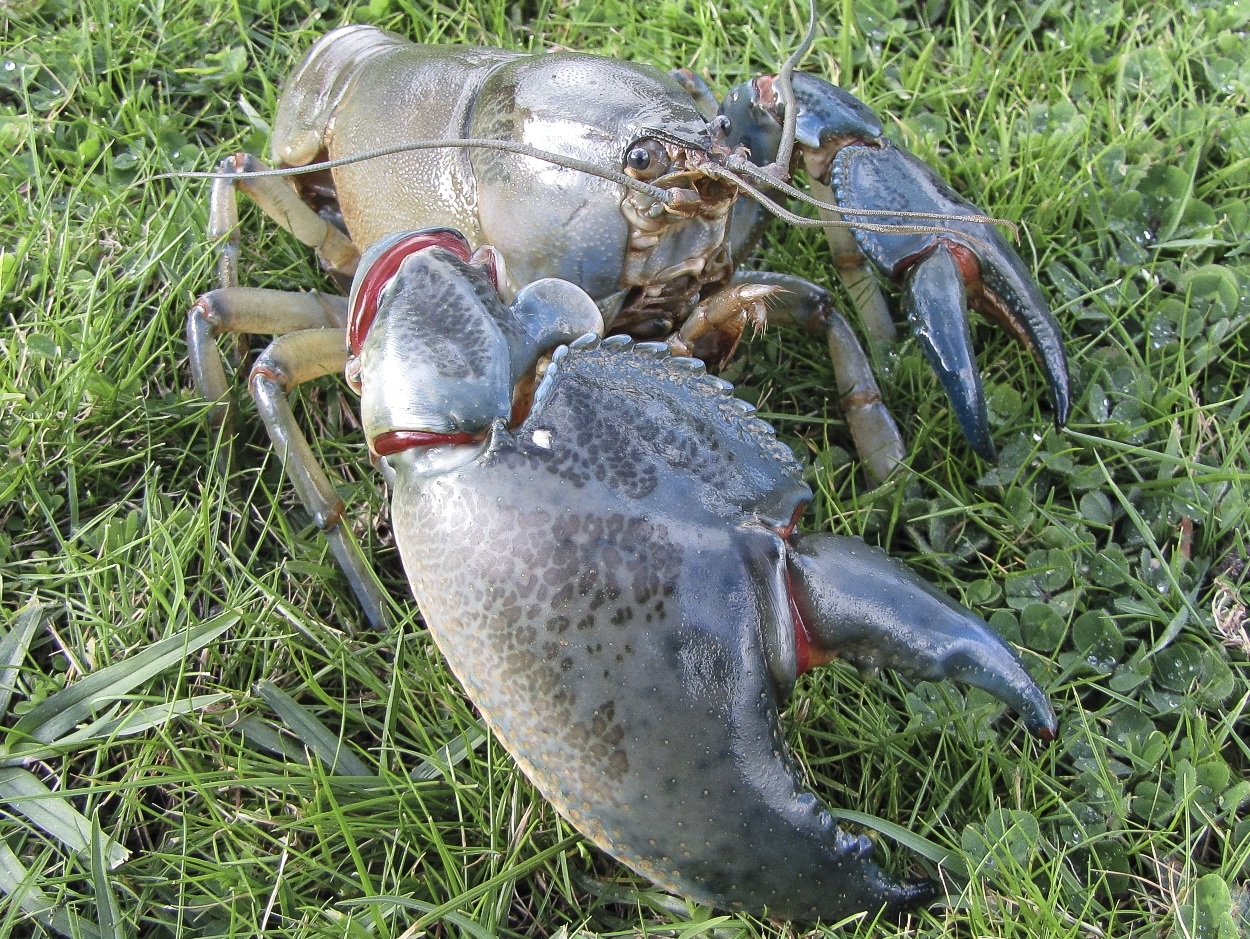 | 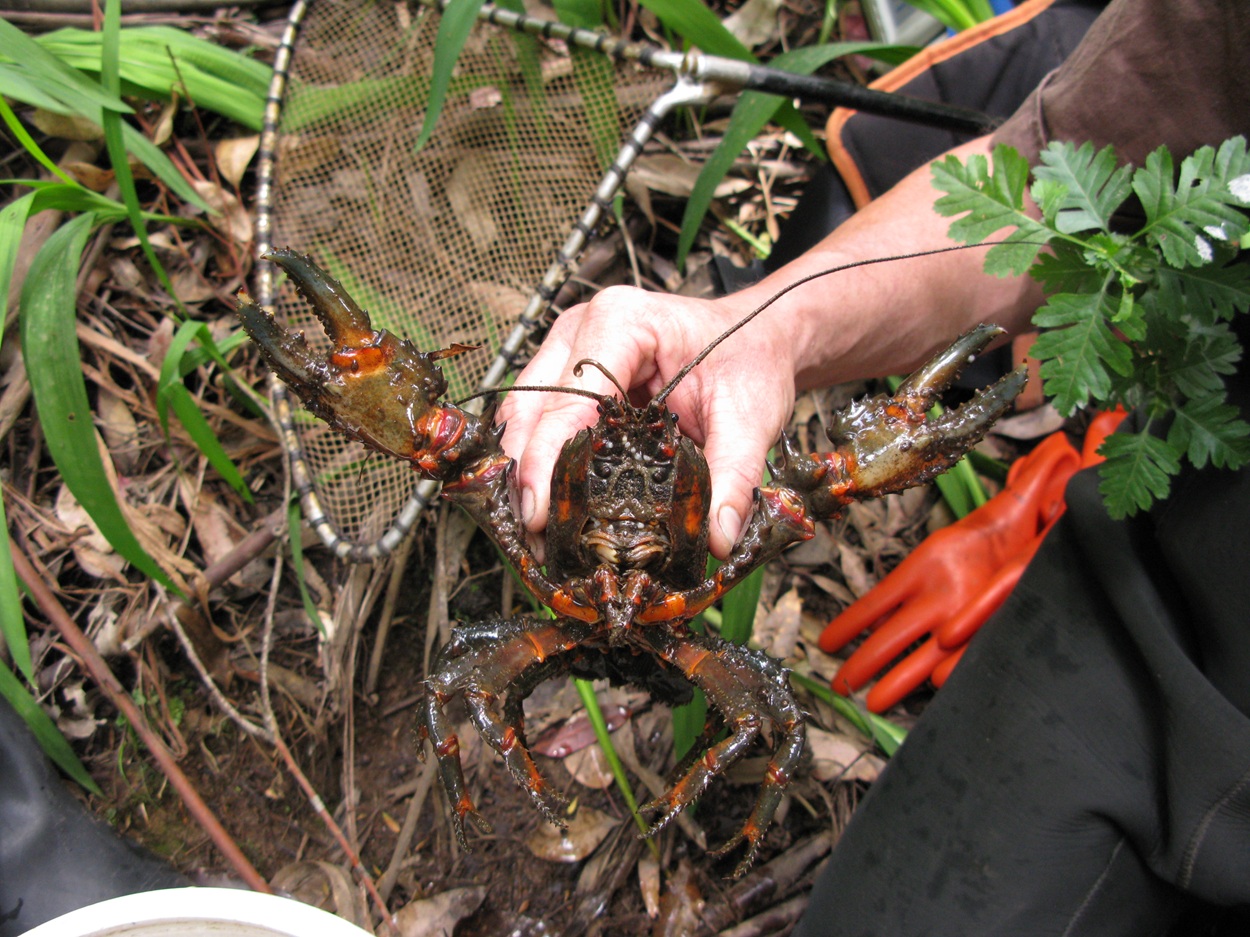 |
Swamp Yabby; Gippsland Spiny Crayfish.
Over the last 20 years, ARI has led crayfish surveys and monitoring in many regional and statewide programs. Our improved understanding of the distribution and abundance of crayfish species has been critical in the protection of these animals, in both state and national contexts.
Recent highlights include:
- Mallacoota Burrowing Crayfish (Engaeus mallacoota) population and distribution assessments
- Curve-tail Burrowing Crayfish (Engaeus curvisuturus) detections which confirmed their presence of the in the upper Yarra catchment for the first time since the species was described in 1990
- multiple threatened spiny crayfish surveys in East Gippsland to confirm their distributions
- trialling the collection and analysis of DNA in water samples for the remote detection of the species in the wild.
Acknowledgements
This research was funded by the Victorian State Government and Commonwealth Government including Regional Forest Agreement surveys; the National Estate program; Biodiversity Response Plans; the Forest Protection Survey Project; the Landscape Scale Biodiversity Project; and the Bushfire Recovery Program.
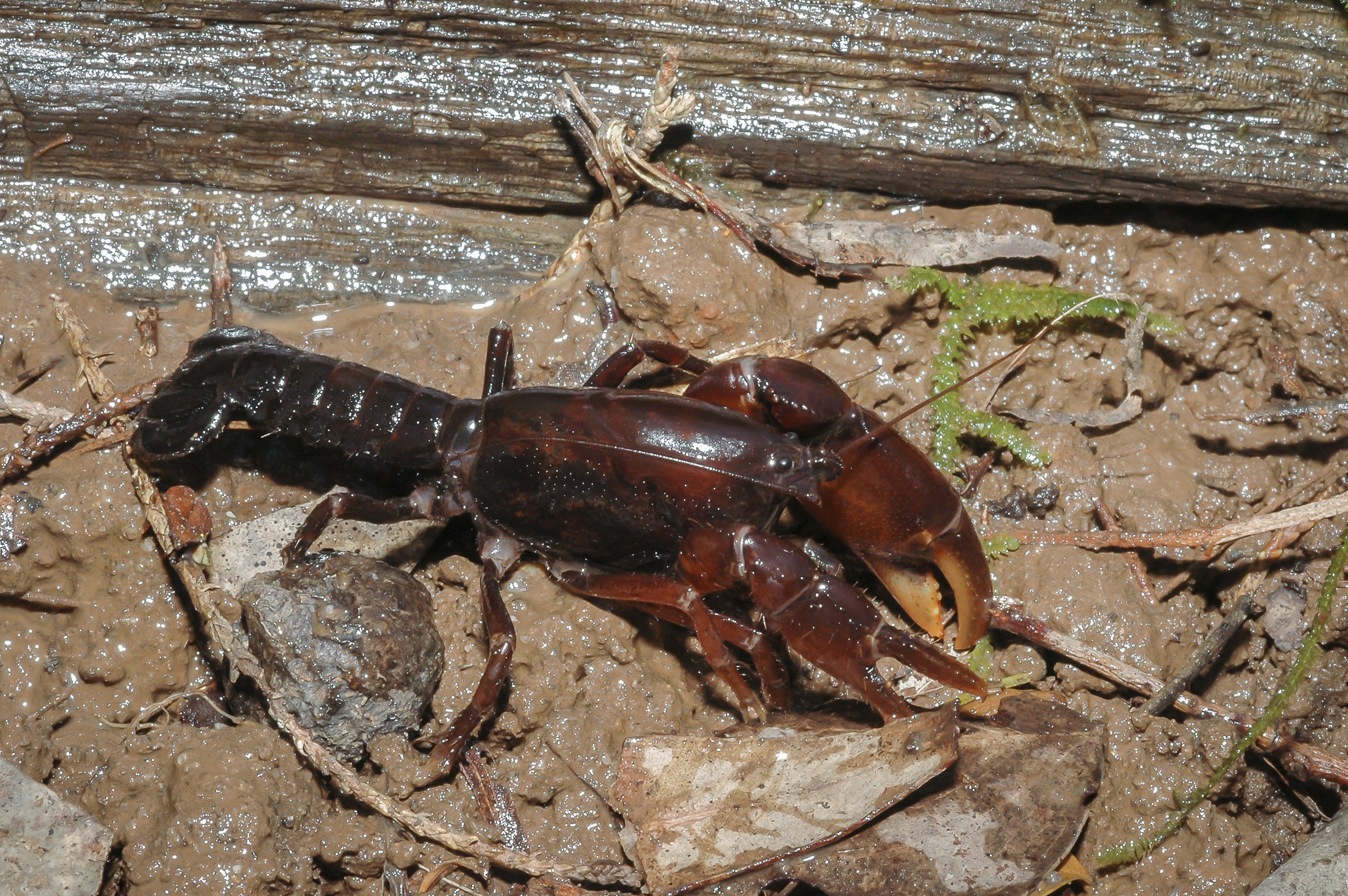 | 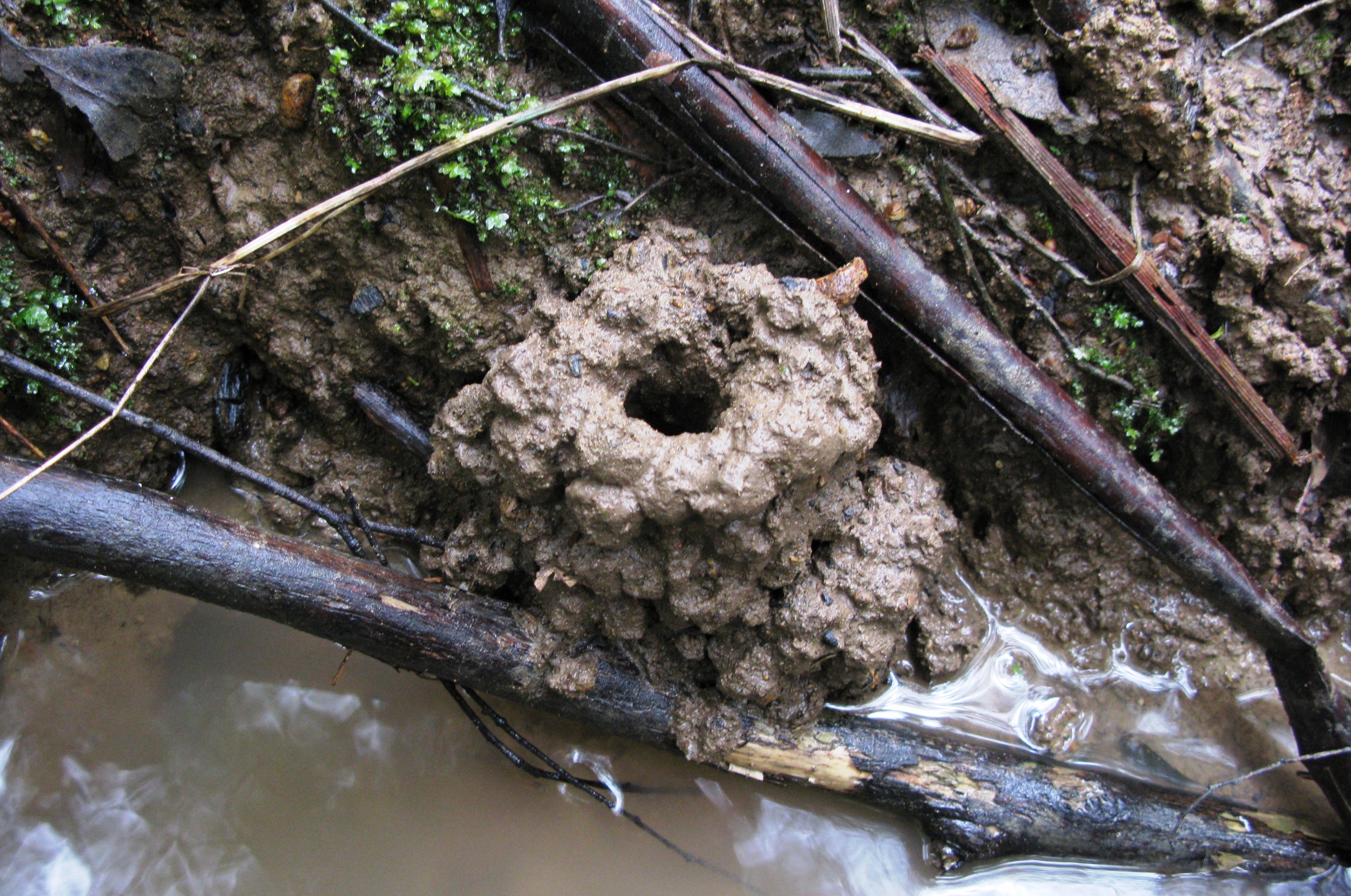 |
Mallacoota Burrowing Crayfish; a burrow of Narracan Burrowing Crayfish.
ARI is monitoring crayfish as part of the Murray-Darling Basin Authority’s long-term monitoring program, The Living Murray, at Icon Sites including the Barmah-Millewa Forest.
Annual bait trapping and eDNA surveys since 2022 indicated:
- Common Yabbies were dominant and widespread, whilst Swamp Yabbies were only detected at one site.
- more and larger Common Yabbies moved upstream during an environmental watering event.
- eDNA methods are suitable to study the distribution of Common Yabbies, but further development is needed regarding Swamp Yabby detection.
- a combination of fyke netting and bait trapping is recommended to survey yabbies across varied watering conditions.
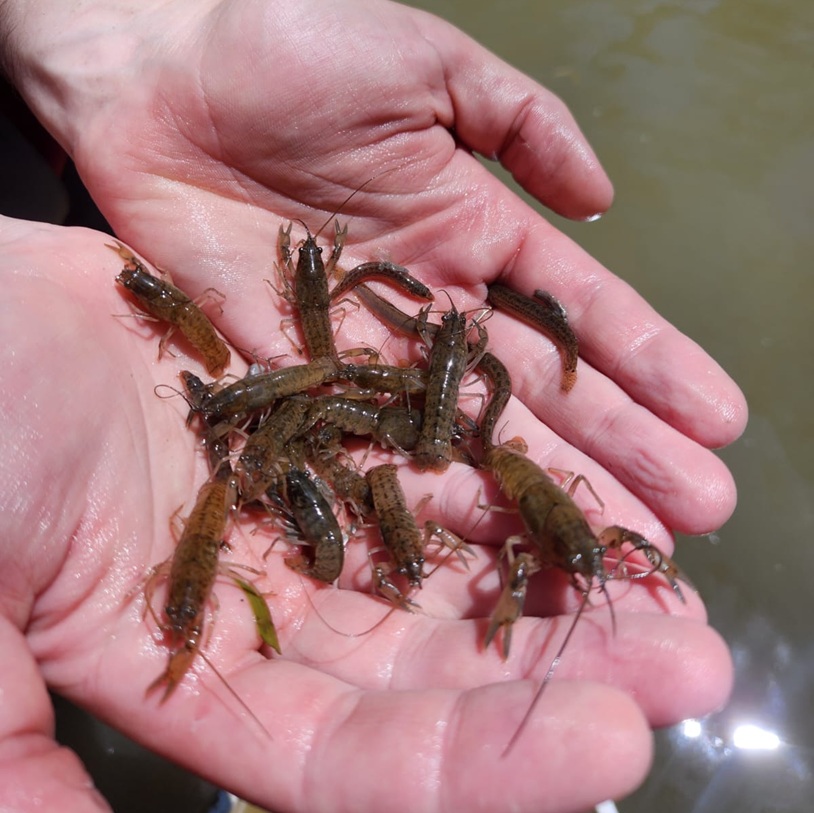 | 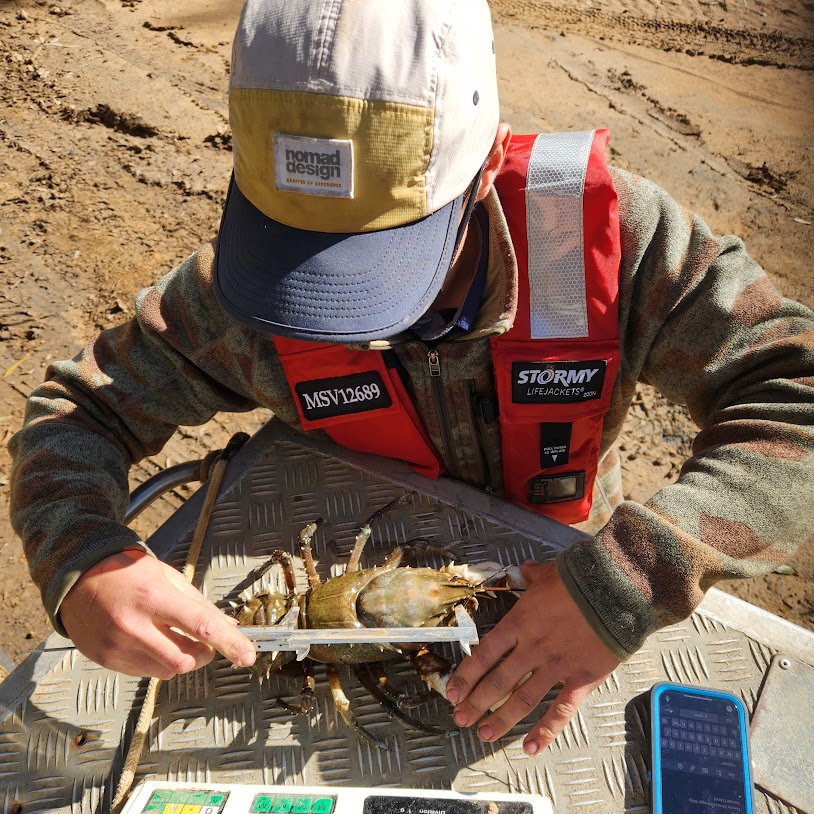 |
Juvenile Common Yabbies; Measuring a Murray Spiny Crayfish.
Habitat change and invasive weeds
The Dandenong Burrowing Crayfish (Engaeus urostrictus) is a threatened species with a restricted distribution within the rare forest type of Cool Temperate Rainforest. This species is threatened by habitat degradation due to weed invasion and feral deer. ARI has surveyed for this species using novel survey techniques and has provided expert advice on its conservation.
Protection of the species’ habitat includes a collaboration between DEECA and the Yarra Ranges Council with support from the Community Weed Alliance of the Dandenongs, Melbourne Water, Parks Victoria and other community groups.
Blackwater events
Murray Crayfish (Euastacus armatus), a threatened species popular in recreational fishing, has experienced recent declines in distribution and abundance. It is a long-lived species (+25 years), and vulnerable to overfishing and hypoxic ‘blackwater’ events during flooding which result in extremely low levels of oxygen in the water. ARI has undertaken population modelling for this species to examine the risk of harvest pressure and blackwater events and provide management advice.
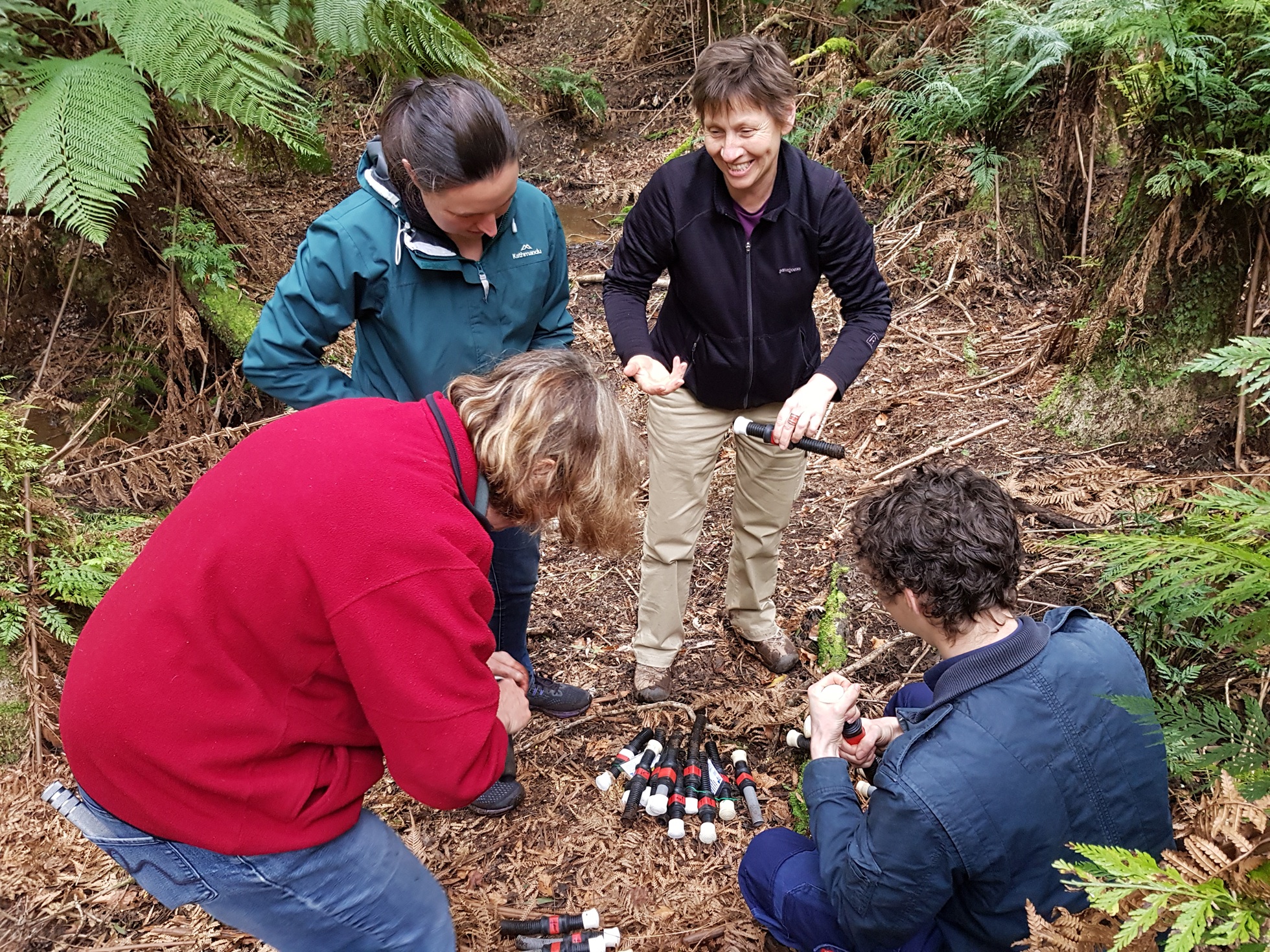 | 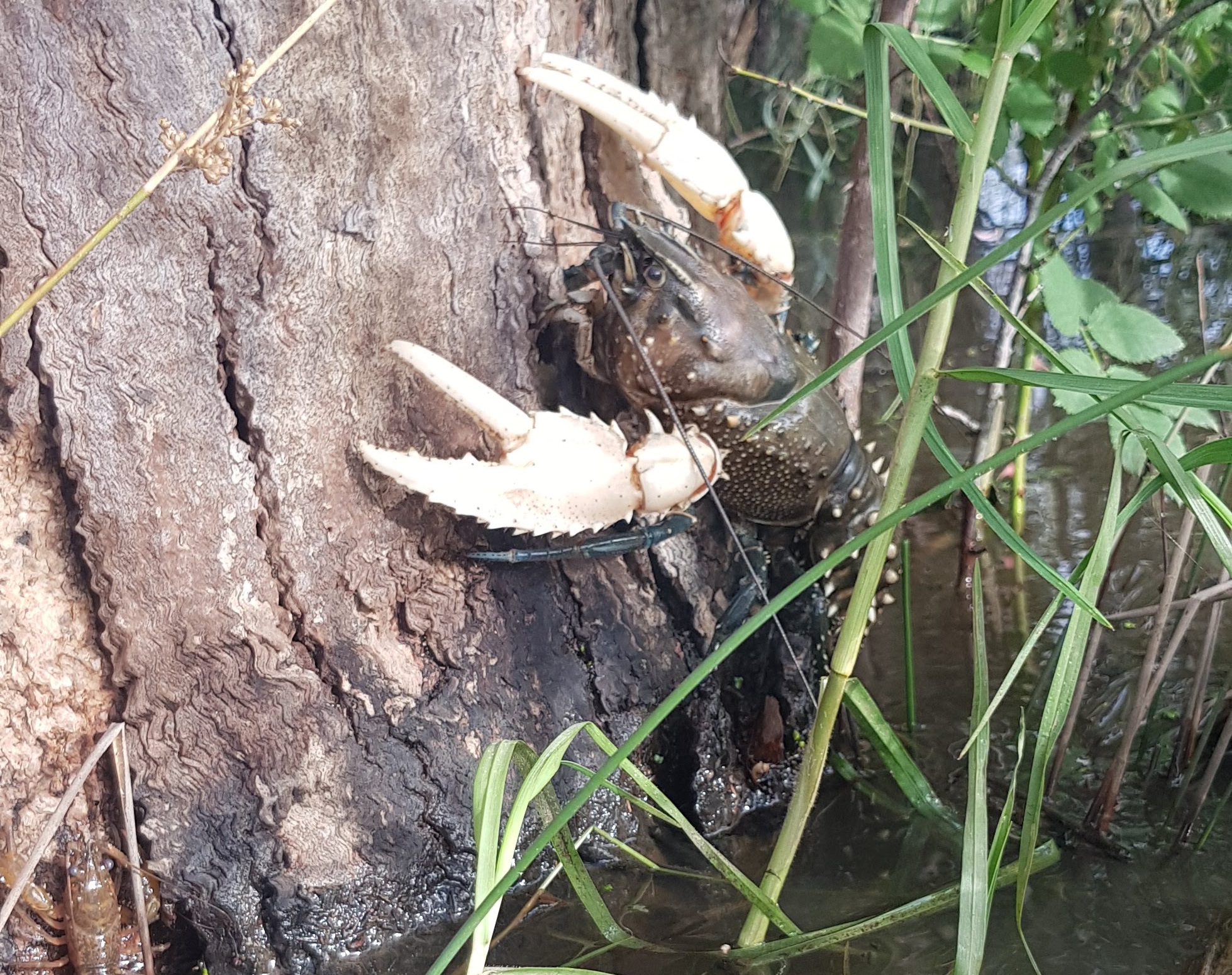 |
Working with citizen scientists to survey Dandenong Burrowing Crayfish; A Murray Crayfish climbing a tree during a blackwater event.
Following the Victorian bushfires over the summer of 2019/20, ARI was involved in many actions to protect aquatic species, including providing expert advice on appropriate actions, reconnaissance of priority species and sites, and emergency translocations.
This work also included the temporary extraction and housing of three threatened crayfish within the ARI aquarium: East Gippsland Spiny Crayfish (Euastacus bidawalus), Orbost Spiny Crayfish (E. diversus), Coughran’s Spiny Crayfish (E. coughrani).
Following the large-scale floods in northern Victoria in 2022, surveys were undertaken on the status of Murray Crayfish in the Barmah-Millewa Forest, in collaboration with Yorta Yorta Nation Aboriginal Corporation. ARI also undertook an impact assessment for the Mallacoota Burrowing Crayfish following floods in July 2022.
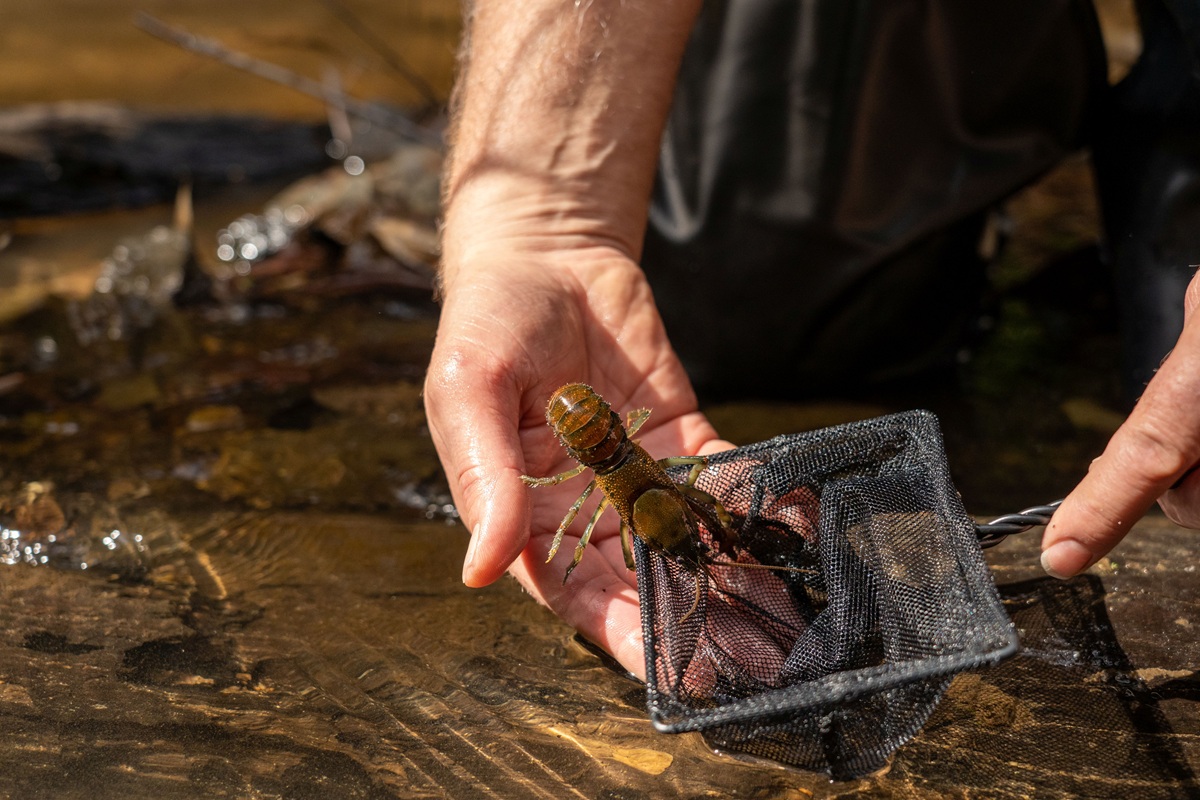 | 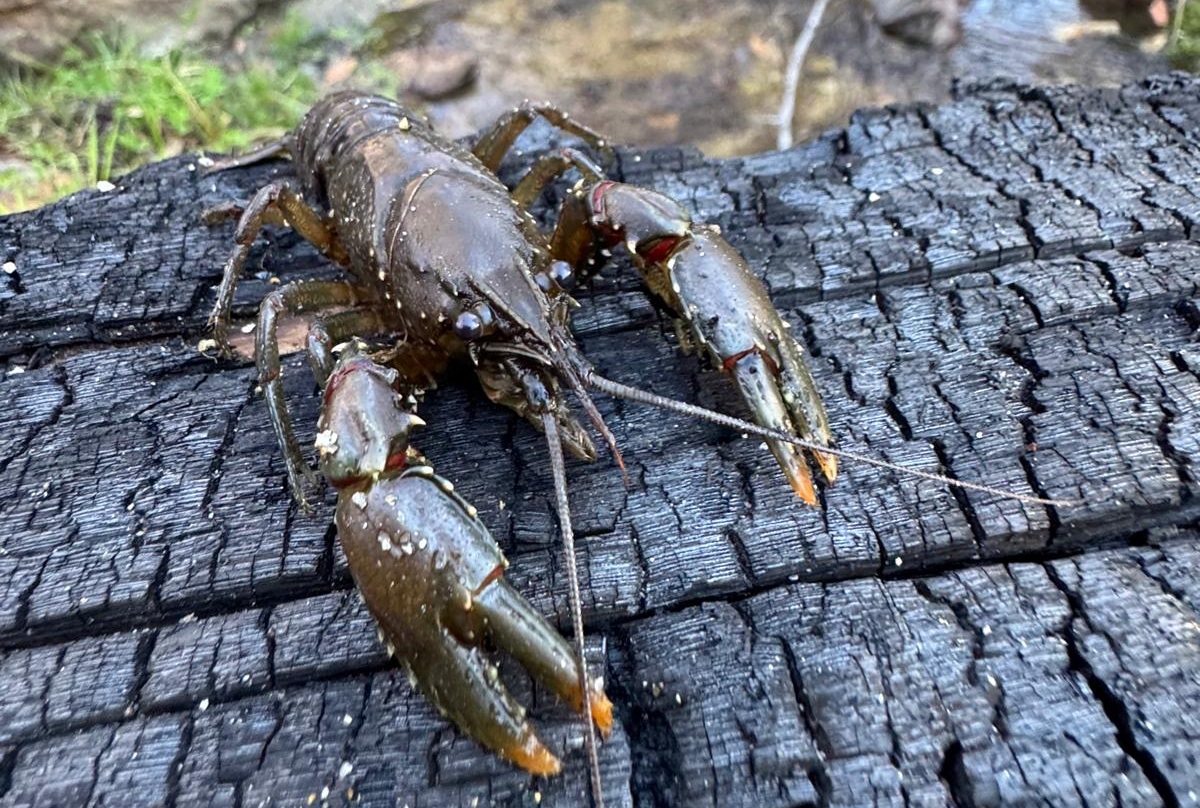 |
Returning a spiny crayfish to the water (Photo: Darryl Whitaker); Alpine Spiny Crayfish on a burnt log.
There are several projects underway to improve the status of freshwater crayfish. These include:
- 10inTen – a captive breeding trails are hoping to fill key knowledge gaps and restock the South Gippsland Spiny Crayfish (Euastacus neodiversus), a species which was affected by storm damage in recent years.
- Ovens River Demonstration Reach program - a long-term integrated river rehabilitation effort with field surveys and community-based engagement and education around a variety of species, including Murray Crayfish.
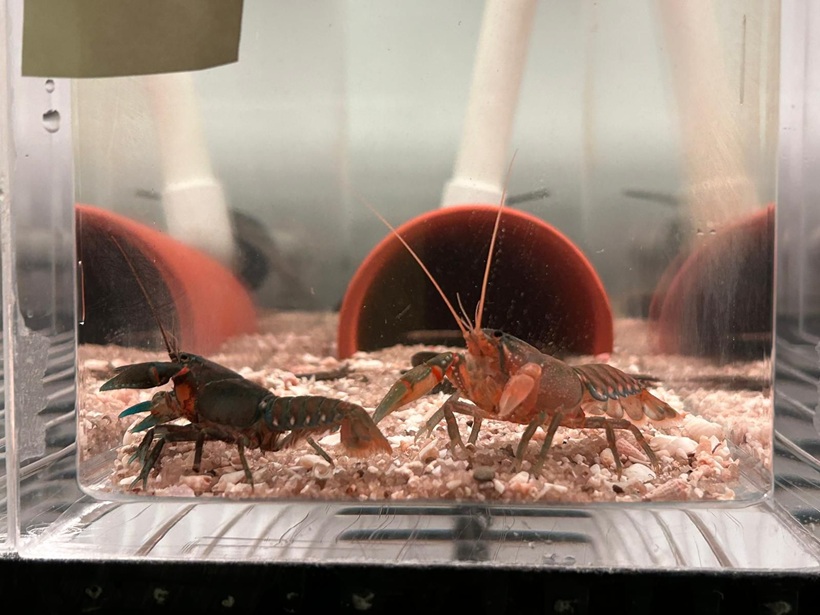 | 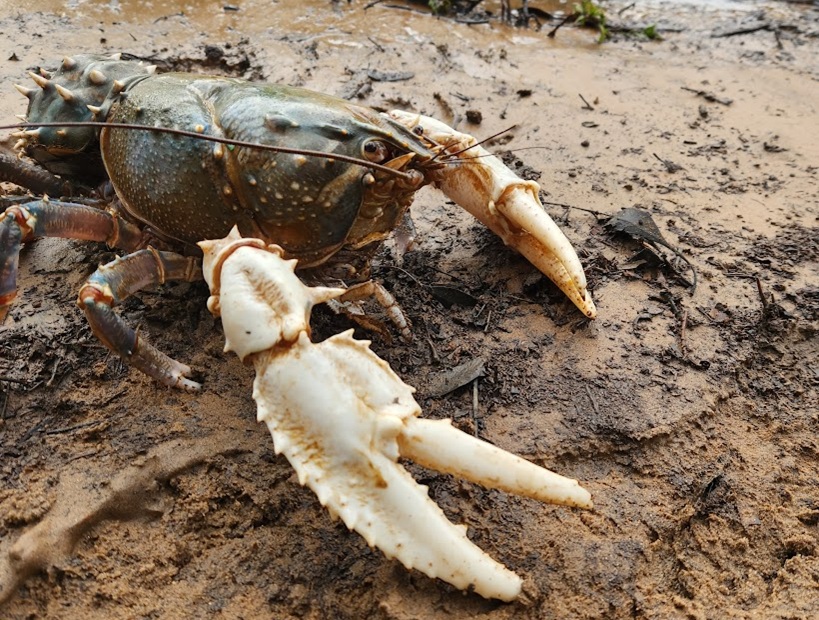 |
Gippsland Spiny Crayfish at the Conservation Hatchery; A Murray Spiny Crayfish
More Information
You can find more about ARI's research on freshwater crayfish through the species pages:
- Dandenong Burrowing Crayfish (Engaeus urostrictus)
- Murray Spiny Crayfish (Euastacus armatus)
For more information contact Scott Raymond (Scott.Raymond@deeca.vic.gov.au).
Page last updated: 22/10/26